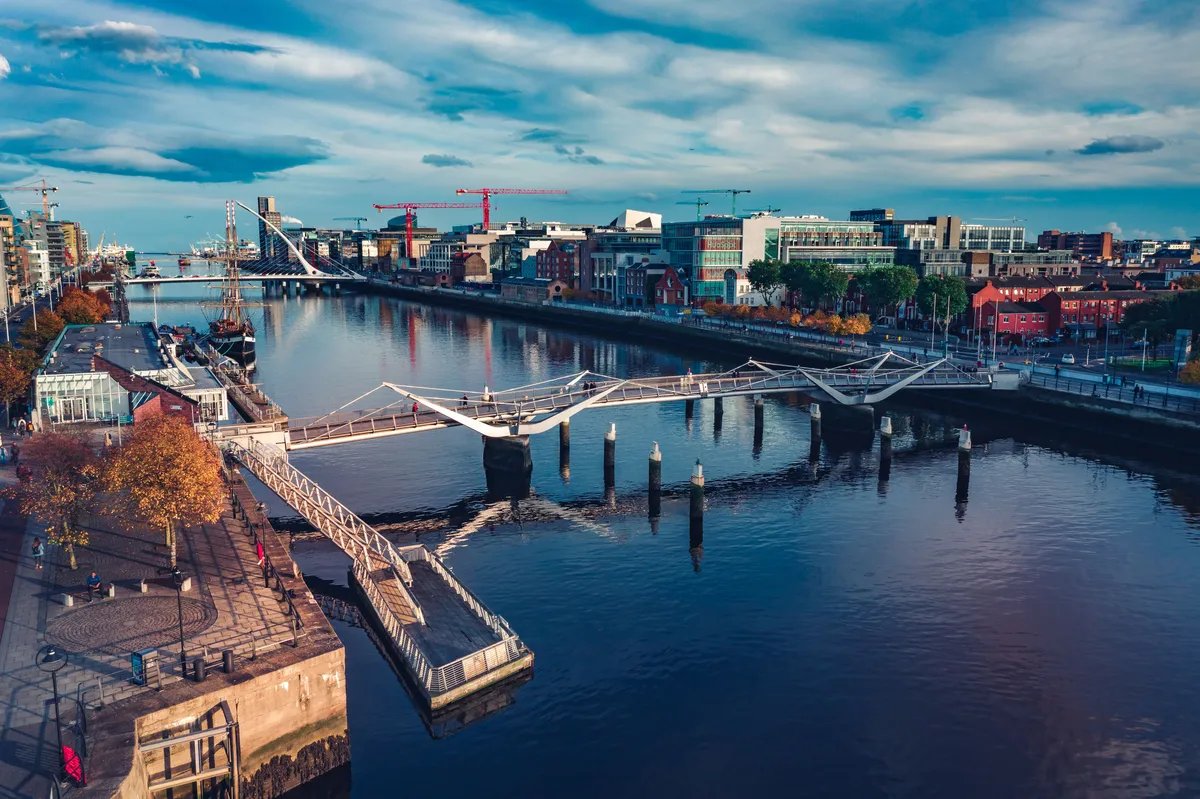
Dublin
 Ireland
Dublin is the vibrant capital of Ireland, offering a fascinating combination of history, culture, and modernity. With its iconic historic sites, vibrant neighborhoods, and varied attractions, Dublin is an attractive destination for visitors interested in Irish history, local culture, and a vibrant urban experience.
Main Attractions
Trinity College Dublin
Founded in 1592, it is the oldest university in Dublin. The campus is home to the famous Trinity College Library, home to the Book of Kells, an exceptional medieval illuminated manuscript.
Dublin Castle
A historic complex that has served as a royal residence and administrative center since the Middle Ages. Today it is open to visitors and offers guided tours.
Temple Bar
A lively area of the city center known for its traditional pubs, art galleries, and restaurants. It is a vibrant cultural center with many events and activities.
St. Patrick's Cathedral
A magnificent Gothic cathedral founded in the 12th century, dedicated to Saint Patrick, the patron saint of Ireland. It is an important historic site and an active place of worship.
Guinness Storehouse
An interactive museum dedicated to Guinness beer, one of Ireland's most iconic brands. Visitors can learn about the beer-making process and enjoy a pint at the Gravity Bar with panoramic views of the city.
Phoenix Park
One of the largest urban parks in Europe, offering vast green spaces, cycle paths, and playgrounds. It is also the site of the Irish presidential residence, Áras an Uachtaráin.
Culture and Gastronomy
Culture & Events
Dublin is a rich cultural city with various festivals and events throughout the year. The Dublin International Film Festival, the Dublin Fringe Festival, and the St. Patrick's Festival are among the most notable, offering a range of music, theater, dance, and film performances.
Culinary Highlights
Dublin's gastronomy includes traditional Irish dishes such as Irish stew, soda bread, and full Irish breakfast. The town is also known for its pubs and dishes made from fresh local produce.
When to Visit Dublin? Climate & Monthly Weather
Dublin enjoys a temperate oceanic climate, with cool summers (average temperatures 15-20°C) and mild winters (average temperatures 0-8°C). Precipitation is frequent throughout the year, with a slight tendency to rain.
How to Get to Dublin & Location
- Airport : Dublin Airport (DUB) is located approximately 10 kilometers north of the city center. It offers international and domestic flights. Shuttles, taxis, and buses connect the airport to the city center.
- Train : Dublin is served by several main stations, including Heuston Station and Connolly Station, with rail connections to other Irish cities and the city rail network.
- Bus : The city is well served by a public bus network, including express services to the airport and intercity buses. Buses are a convenient option for getting around the city and surrounding areas.
History & Heritage of Dublin
Dublin has a long and complex history, dating back to the Viking Age in the 9th century. The city was an important commercial and political center during the Middle Ages, and played a significant role in Irish history, notably during the period of British occupation and the independence movement. Today, Dublin is a modern city that retains a rich historical and cultural heritage.
Frequently Asked Questions about Dublin
Is Dublin expensive to visit?
Dublin is in the higher-budget tier in Europe (cost index 3/3). Booking accommodation early and dining at neighborhood lunch spots are the best ways to keep travel costs under control.
How many days do you need in Dublin?
Plan for 3 to 4 days to comfortably explore the 6 main highlights of Dublin, soak up the local pace, and enjoy the surrounding setting (City). A 2-to-3-day long weekend works well for a focused city break.
What kind of traveler is Dublin best suited for?
Dublin (Ireland) is especially recommended for trips focused on Culture, Party in a City setting. As an iconic European destination, it suits travelers seeking world-class landmarks and a vibrant atmosphere.
What drives local life and the economy in Dublin?
Dublin is the economic and financial center of Ireland, with a diversified economy including the information technology, financial services, pharmaceuticals, and tourism sectors. The city is also an important center for multinational companies and startups.
Not sure if Dublin is your best match?
Compare 215 European destinations based on your desired weather, budget, vibe, and travel month in 2 minutes.
🗺️ Interactive Map
Plan this trip
You may also like
Other captivating destinations to explore
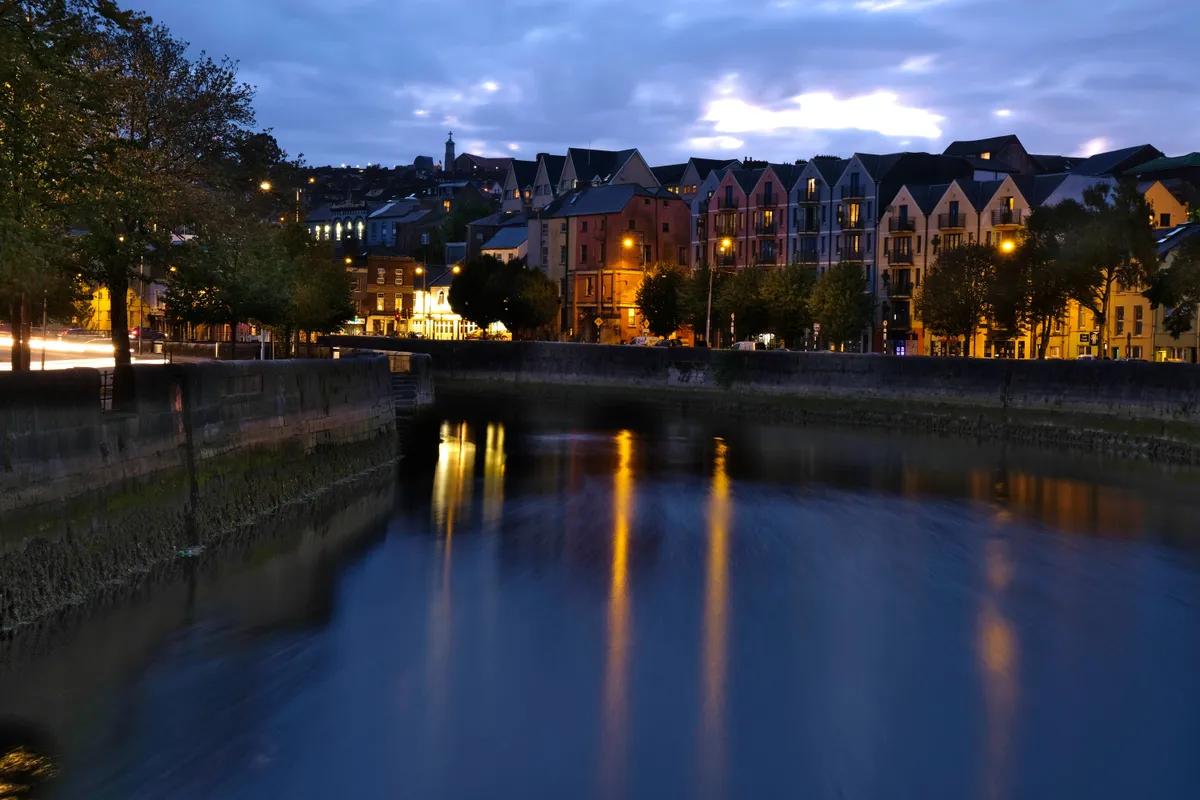
Cork
Ireland
Cork City is a lively and cultural city located in the south of Ireland, known for its historical heritage, varied attractions, and local gastronomy. With its vibrant markets, iconic buildings, and dynamic festivals, Cork offers a rich and diverse experience for visitors interested in Irish culture and history.
Discover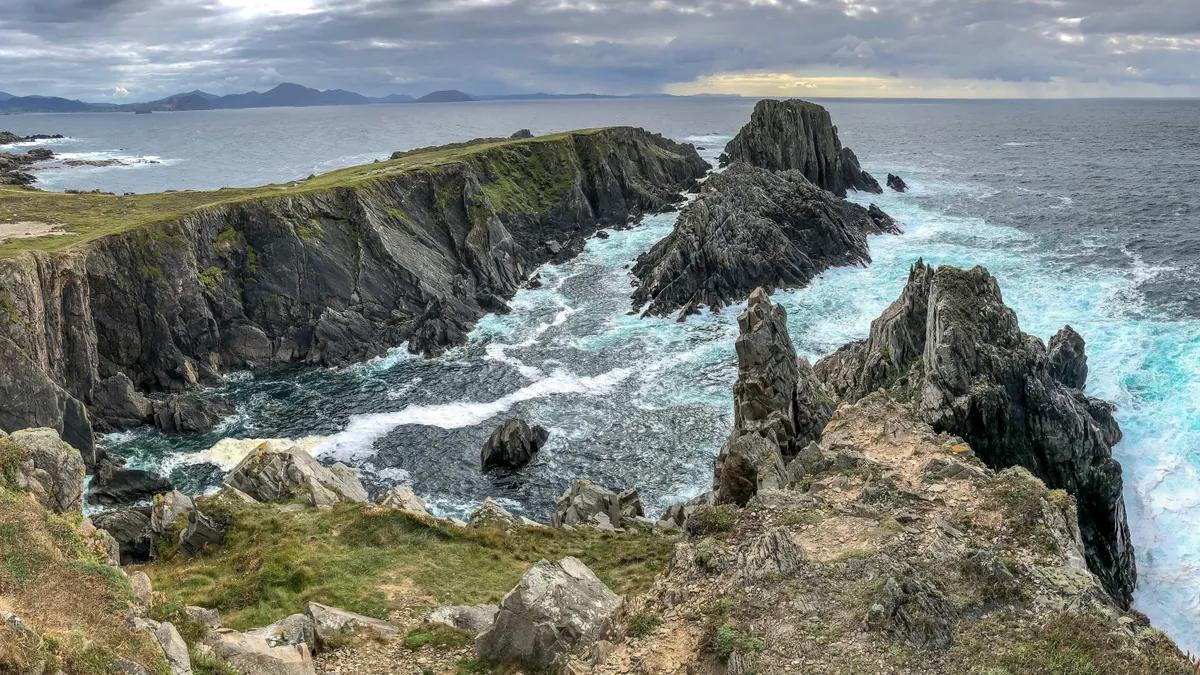
Donegal
Ireland
Donegal is a charming Irish town known for its medieval castle, picturesque beaches, and stunning natural landscapes. With its historic attractions, outdoor opportunities, and welcoming atmosphere, Donegal offers an authentic experience for visitors interested in Irish culture and the natural beauty of the region.
Discover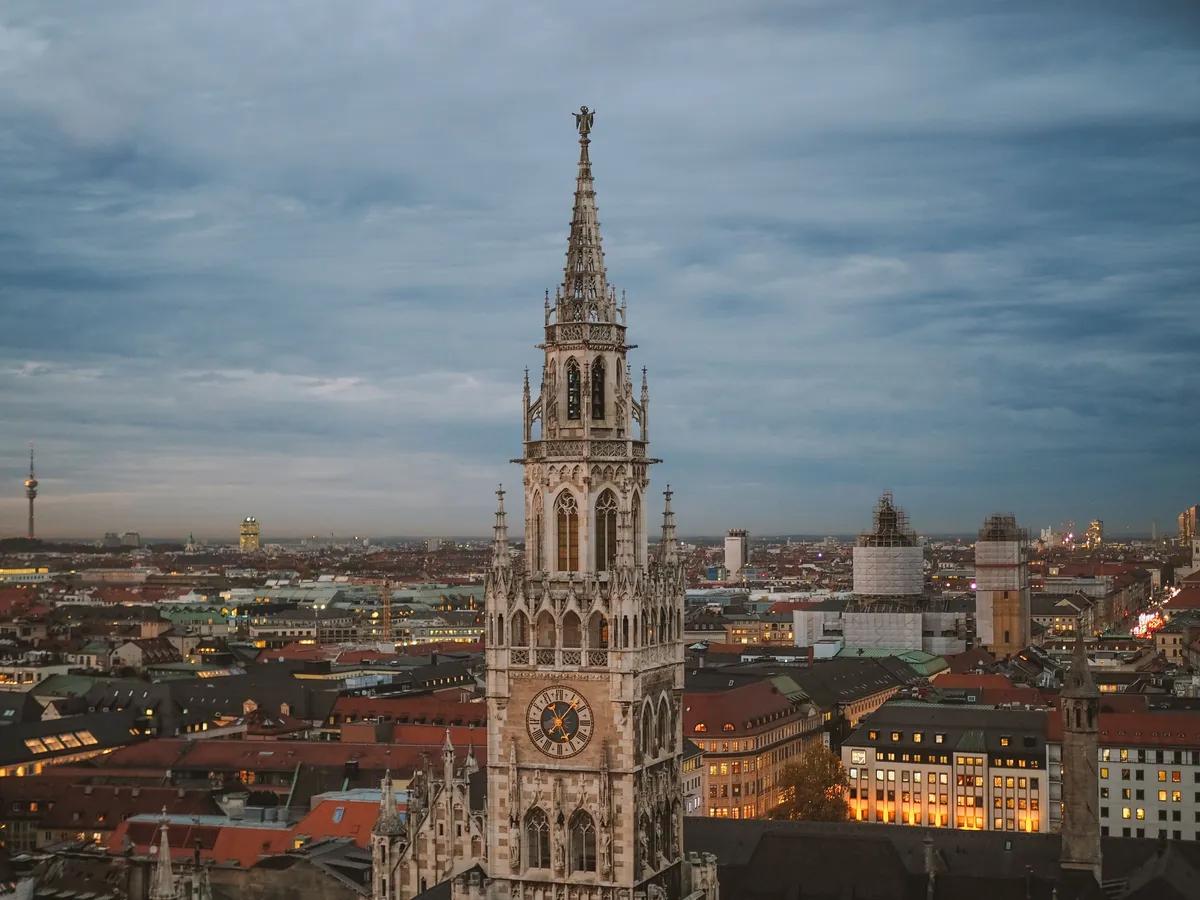
Munich
 Germany
Munich is a city rich in history and culture, known for its architecture, parks, and festivals, including Oktoberfest. Capital of Bavaria, it combines tradition and modernity, making it an unmissable destination in Germany.
Discover