Evora
 Portugal
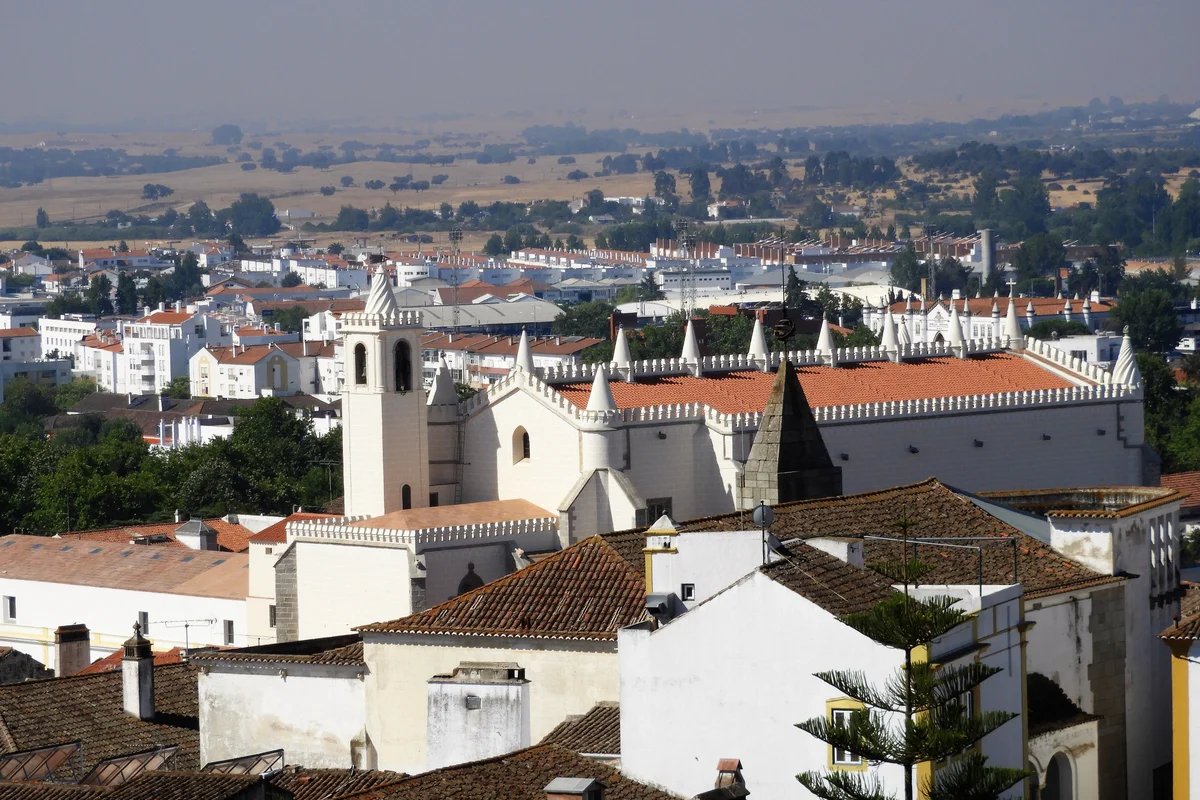
Golden whitewashed jewel at the heart of the Alentejo, Evora enchants with ancient Roman monuments, sun-drenched cobblestone alleys, and the peaceful rhythm of the countryside.
Main Attractions
Roman Temple of Evora (Temple of Diana)
Magnificent 1st-century Corinthian monument featuring fourteen intact Corinthian marble columns.
Evora Cathedral (Sé de Évora)
Portugal's largest medieval cathedral fortress constructed in pink granite, with a Gothic cloister and sacred art museum.
Chapel of Bones (Capela dos Ossos)
Famous ossuary chapel inside St. Francis Church whose walls and pillars are completely covered in thousands of human skulls and bones.
Aqueduct of Silver Water (Aqueduto da Água de Prata)
Imposing 16th-century aqueduct spanning several kilometers, sheltering charming whitewashed homes under its arches.
Praça do Giraldo
Vibrant central plaza lined with Moorish-style arcades, sunny outdoor cafés, and a Renaissance marble fountain.
Almendres Cromlech (Cromeleque dos Almendres)
The largest megalithic complex in the Iberian Peninsula, older than Stonehenge, nestled within cork forests.
Culture and Gastronomy
Culture & Events
A designated UNESCO World Heritage museum-city, Evora reverberates with deep-rooted Alentejo polyphonic singing (Cante Alentejano) and traditional cork craftsmanship.
Culinary Highlights
Its rustic gastronomy highlights pork with clams (carne de porco à alentejana), fragrant garlic-coriander bread soup (açorda alentejana), rich sheep's cheeses, and prestigious full-bodied Alentejo red wines.
When to Visit Evora? Climate & Monthly Weather
Mediterranean climate with hot, dry summers (30-34°C) and bright, crisp winters (8-13°C).
How to Get to Evora & Location
- Flight : Lisbon Humberto Delgado Airport (LIS) located 130 km to the west (approx. 1h15 by road).
- Train : Direct Intercidades train services from Lisbon-Oriente station (1h30 travel time).
- Road : Fast and direct access from Lisbon via the A6 motorway.
History & Heritage of Evora
An influential Roman city (Liberalitas Julia), later a fortified Moorish stronghold and favored royal court during Portugal's Golden Age, Evora preserves two millennia of living history.
Frequently Asked Questions about Evora
Is Evora expensive to visit?
Evora is a very wallet-friendly European destination (cost index 1/3). Accommodation, local dining, and public transit offer outstanding value for budget-conscious travelers.
How many days do you need in Evora?
Plan for 3 to 4 days to comfortably explore the 6 main highlights of Evora, soak up the local pace, and enjoy the surrounding setting (Countryside). A 2-to-3-day long weekend works well for a focused city break.
What kind of traveler is Evora best suited for?
Evora (Portugal) is especially recommended for trips focused on Culture, Food in a Countryside setting. As an underrated hidden gem, it is perfect for travelers looking to escape mass tourism and enjoy an authentic local atmosphere.
What drives local life and the economy in Evora?
Agricultural and winemaking capital of the Alentejo, global leader in cork manufacturing, university center, and renowned agritourism hub.
Not sure if Evora is your best match?
Compare 215 European destinations based on your desired weather, budget, vibe, and travel month in 2 minutes.
🗺️ Interactive Map
Plan this trip
You may also like
Other captivating destinations to explore
Sintra
Portugal
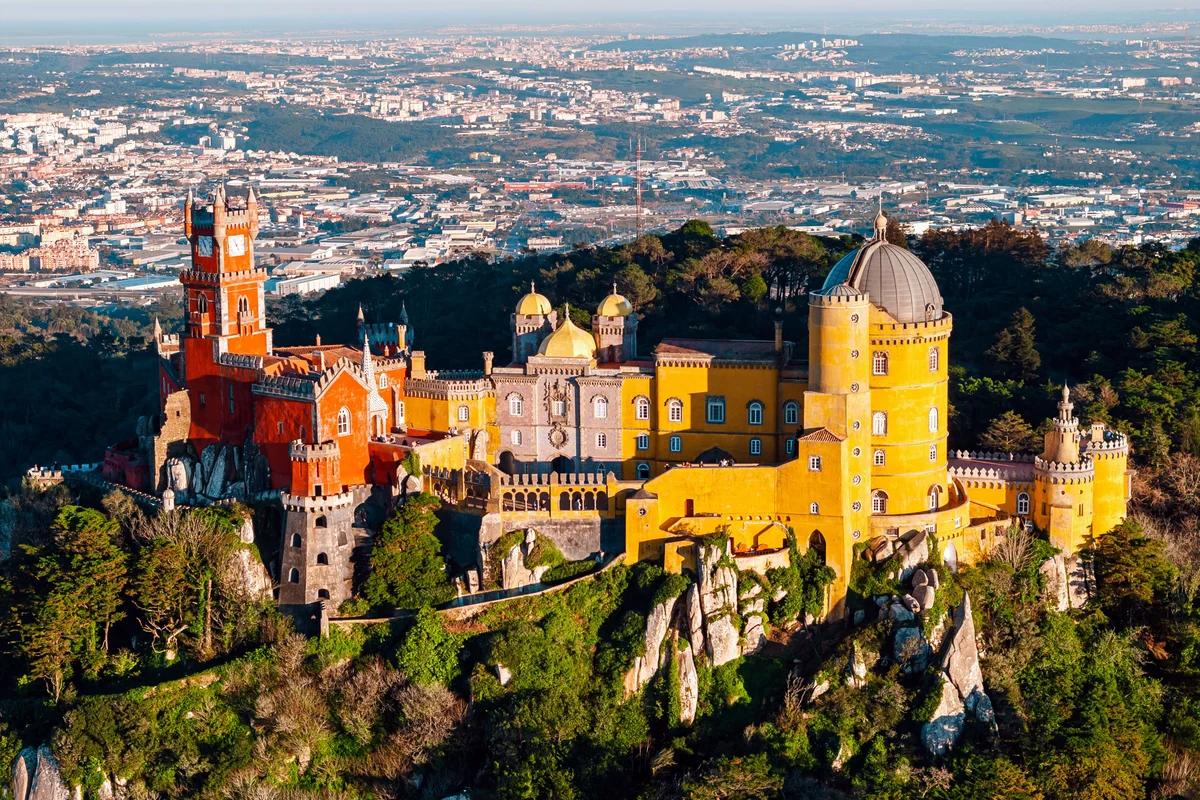
Romantic storybook wonderland enveloped by mystical mountain forests, Sintra enchants visitors with opulent palaces, ancient hilltop fortresses, and timeless natural beauty.
Discover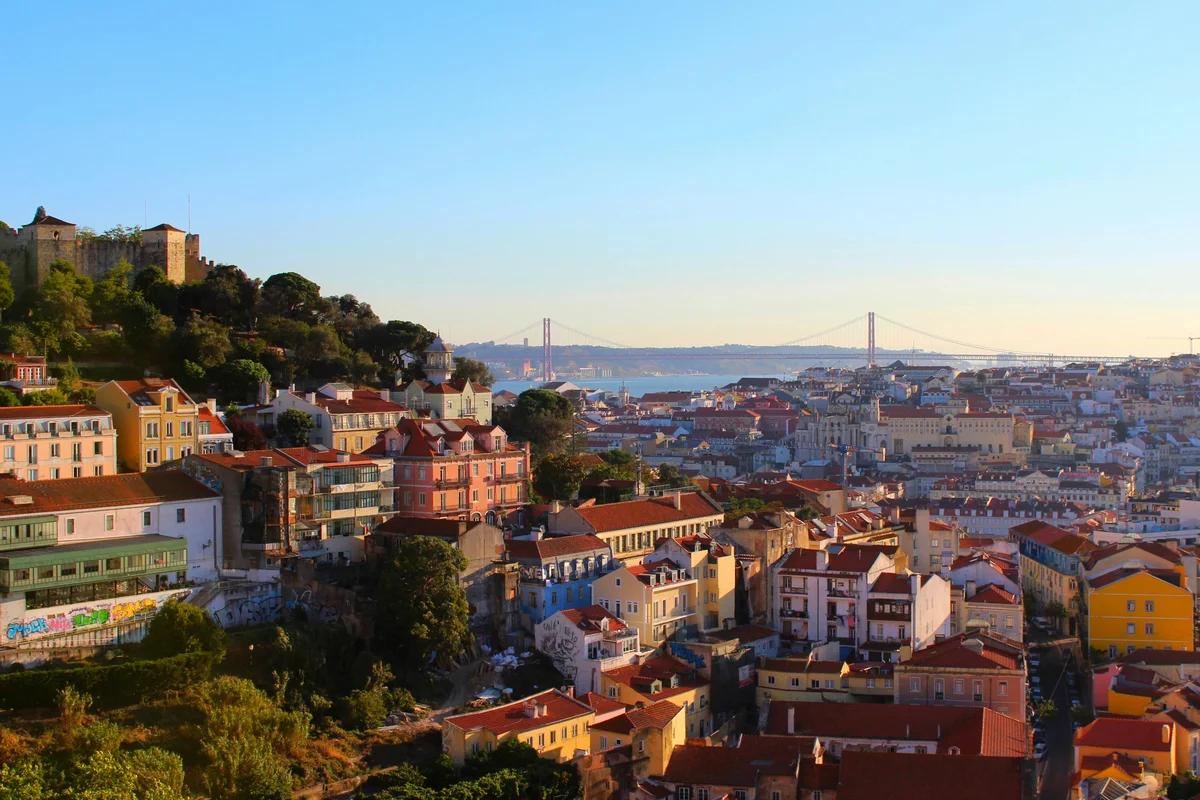
Lisbon
Portugal
Radiant city of light and poetry perched on seven sun-kissed hills, Lisbon charms with tiled azulejo facades, haunting fado melodies, and breathtaking Atlantic oceanfront beaches.
Discover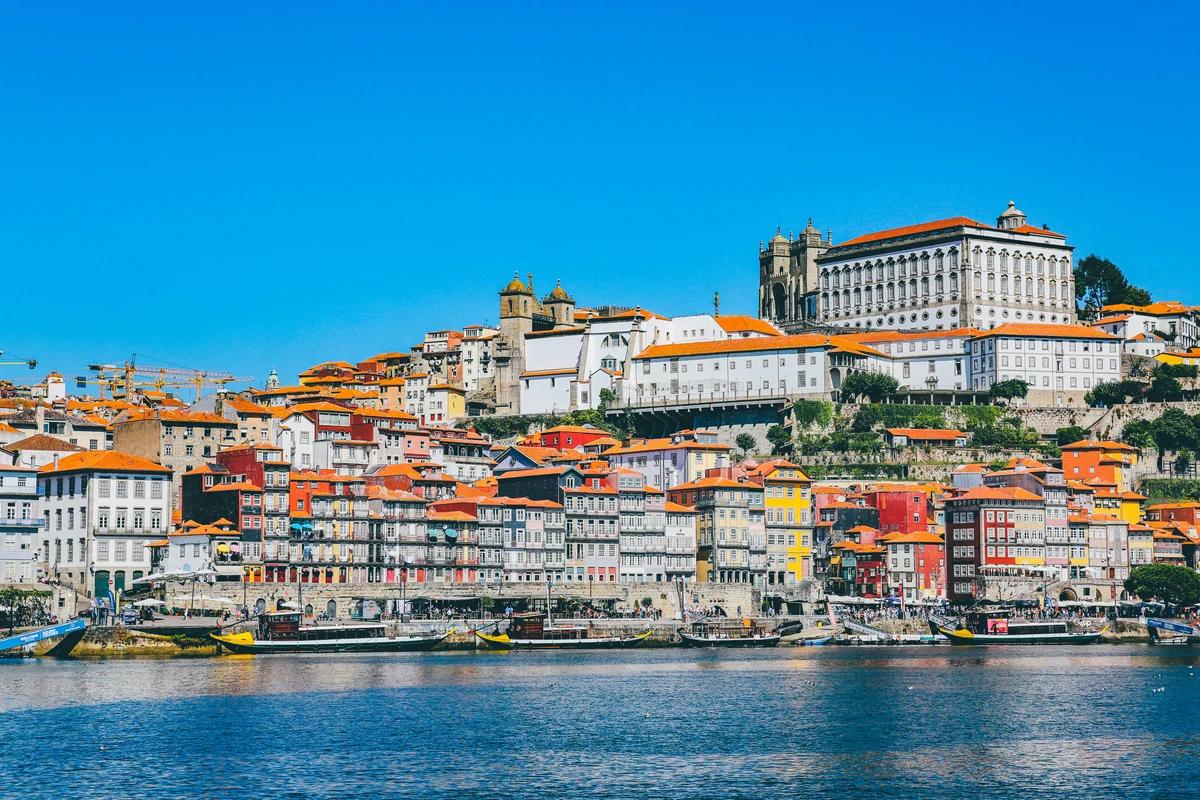
Porto
Portugal
Magnetically atmospheric historic river city, Porto captivates with sweeping Douro vistas, intricate blue azulejo facades, venerable Port wine lodges, and relaxed Atlantic beaches.
Discover