Helsinki
 Finland
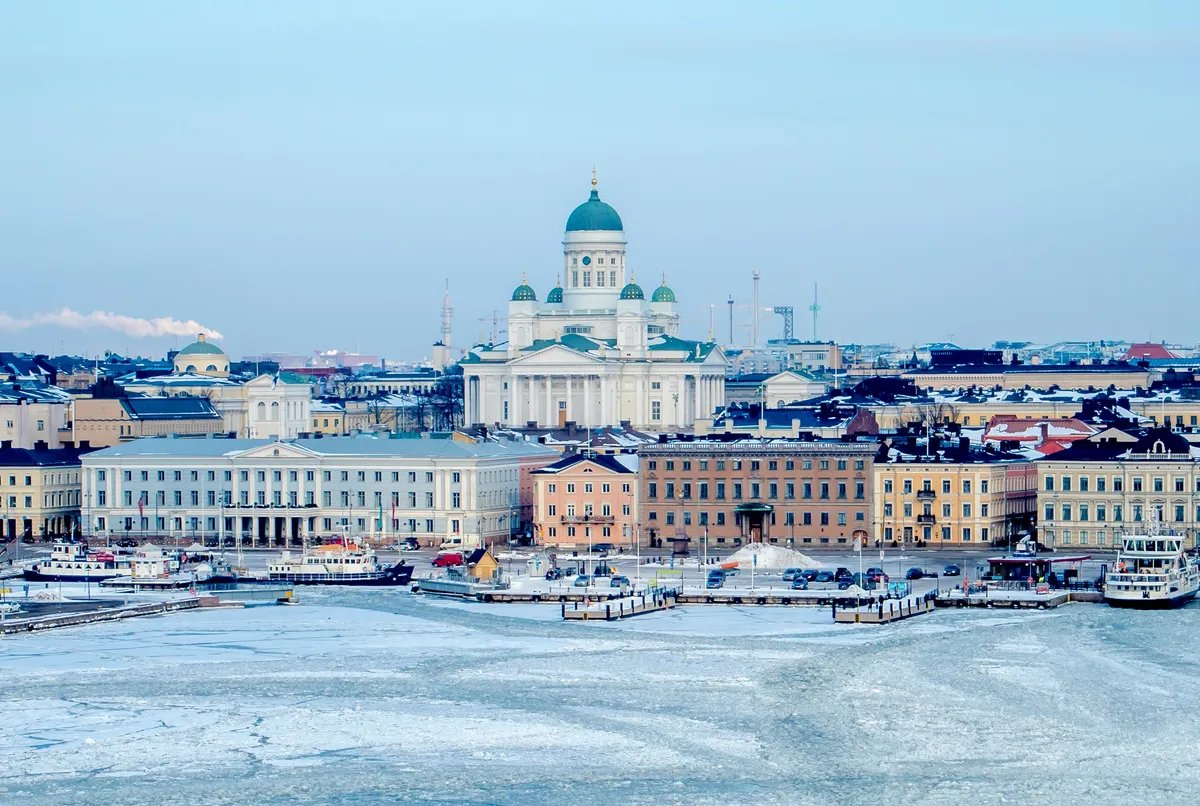
Helsinki, capital of Finland, is a city where modernity meets Nordic tradition. With its mix of neoclassical and modern architecture, its green parks, and its proximity to nature, Helsinki offers an exceptional quality of life. Its economic dynamism, its rich cultural heritage, and its cosmopolitan atmosphere make it an essential destination for visitors in search of urban and natural discoveries.
Main Attractions
Suomenlinna Fortress
Listed as a UNESCO World Heritage Site, this maritime fortress built in the 18th century extends over several islands. It is an important historical site and a popular destination for excursions.
Helsinki Cathedral
An iconic symbol of the city, this neoclassical Lutheran cathedral dominates Senate Square with its green domes and bright interior.
Temppeliaukio Church (Church of the Rock)
A modern rock-hewn church, famous for its unique architecture and exceptional acoustics, making it a popular venue for concerts.
Market Square (Kauppatori)
Located by the sea, this square is an open-air market where you can buy local produce, fresh fish, berries, and Finnish crafts. It is also a departure point for ferries to the surrounding islands.
Kiasma Museum of Contemporary Art
A museum dedicated to contemporary Finnish and international art, housing exhibitions that reflect current artistic trends.
Esplanade Park
A leafy central park where locals and visitors enjoy walking, relaxing, and enjoying outdoor cafes.
Sibelius Park and Sibelius Monument
This park houses a monument dedicated to the Finnish composer Jean Sibelius, made up of hundreds of steel pipes, reminiscent of a giant organ.
Culture and Gastronomy
Culture & Events
Local specialties include lohikeitto (salmon soup), karjalanpiirakka (Karelian pastry), and runebergintorttu (a traditional cake). Helsinki is also a culturally vibrant city, with many festivals, theaters, and museums.
Culinary Highlights
Helsinki cuisine reflects Nordic and Russian influences, with an emphasis on fresh, local produce, including fish, berries, and mushrooms. The Helsinki Festival is one of the city's major cultural events, celebrating visual arts, music, theater, and dance.
When to Visit Helsinki? Climate & Monthly Weather
Helsinki has a humid continental climate with maritime influences. Winters are cold, with temperatures dropping well below freezing, often between -5°C and -15°C. Summers are mild, with average temperatures of 15 to 25°C. Summer days are long, with midnight sun in June and July, while winter is marked by very short days.
How to Get to Helsinki & Location
- Airport : Helsinki-Vantaa Airport (HEL), located approximately 20 kilometers north of the city center, is Finland's main international airport, offering flights to destinations in Europe, Asia, and North America.
- Ferry : Helsinki is a major seaport, with regular ferries to Stockholm (Sweden), Tallinn (Estonia), Saint Petersburg (Russia), and other Baltic Sea destinations.
- Train : Helsinki Central Station is a crucial transport hub, with trains connecting major Finnish cities as well as international connections to St. Petersburg and Moscow.
- Public Transport : The network of trams, buses, metro and ferries provides an excellent public service, facilitating travel across the city.
History & Heritage of Helsinki
Founded in 1550 by King Gustav I of Sweden, Helsinki has been a strategic center due to its position on the Baltic Sea. The city rose to prominence after it was designated the capital of Finland in 1812, under Russian rule, replacing Turku. Since Finland's independence in 1917, Helsinki has become the nerve center of the country. It is today recognized for its design, its modern architecture, and its role as a dynamic international city.
Frequently Asked Questions about Helsinki
Is Helsinki expensive to visit?
Helsinki is in the higher-budget tier in Europe (cost index 3/3). Booking accommodation early and dining at neighborhood lunch spots are the best ways to keep travel costs under control.
How many days do you need in Helsinki?
A 2-to-3-day stay (a long weekend) is the sweet spot to cover Helsinki’s 7 key sights on foot and enjoy its local dining and atmosphere at a relaxed pace.
What kind of traveler is Helsinki best suited for?
Helsinki (Finland) is especially recommended for trips focused on Relax, Culture in a City setting. It strikes a great balance between lively visitor appeal and genuine local life, without overwhelming crowds.
What drives local life and the economy in Helsinki?
Helsinki is the economic, political, educational, and cultural center of Finland. The economy is diversified, with key sectors including information technology, financial services, logistics, and trade. The city is also an important hub for startups, particularly in the fields of clean technology, health, and video games.
Not sure if Helsinki is your best match?
Compare 215 European destinations based on your desired weather, budget, vibe, and travel month in 2 minutes.
🗺️ Interactive Map
Plan this trip
You may also like
Other captivating destinations to explore
Rovaniemi
Finland
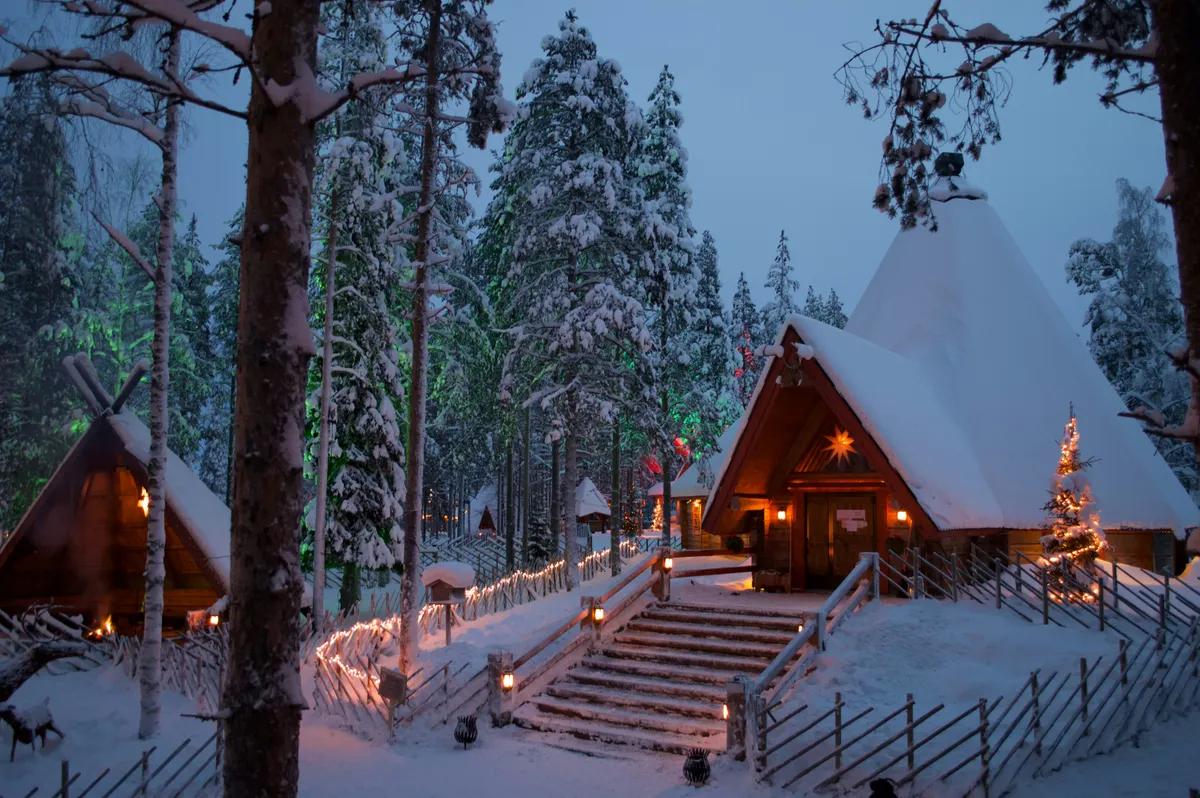
Rovaniemi, the gateway to Lapland, is famous around the world as the official residence of Santa Claus. It’s a city where the magic of Christmas is experienced all year round, surrounded by spectacular Arctic landscapes. With its unique blend of Sami culture, modern history and wilderness, Rovaniemi offers an unforgettable experience for visitors seeking Nordic adventure and Sámi authenticity.
Discover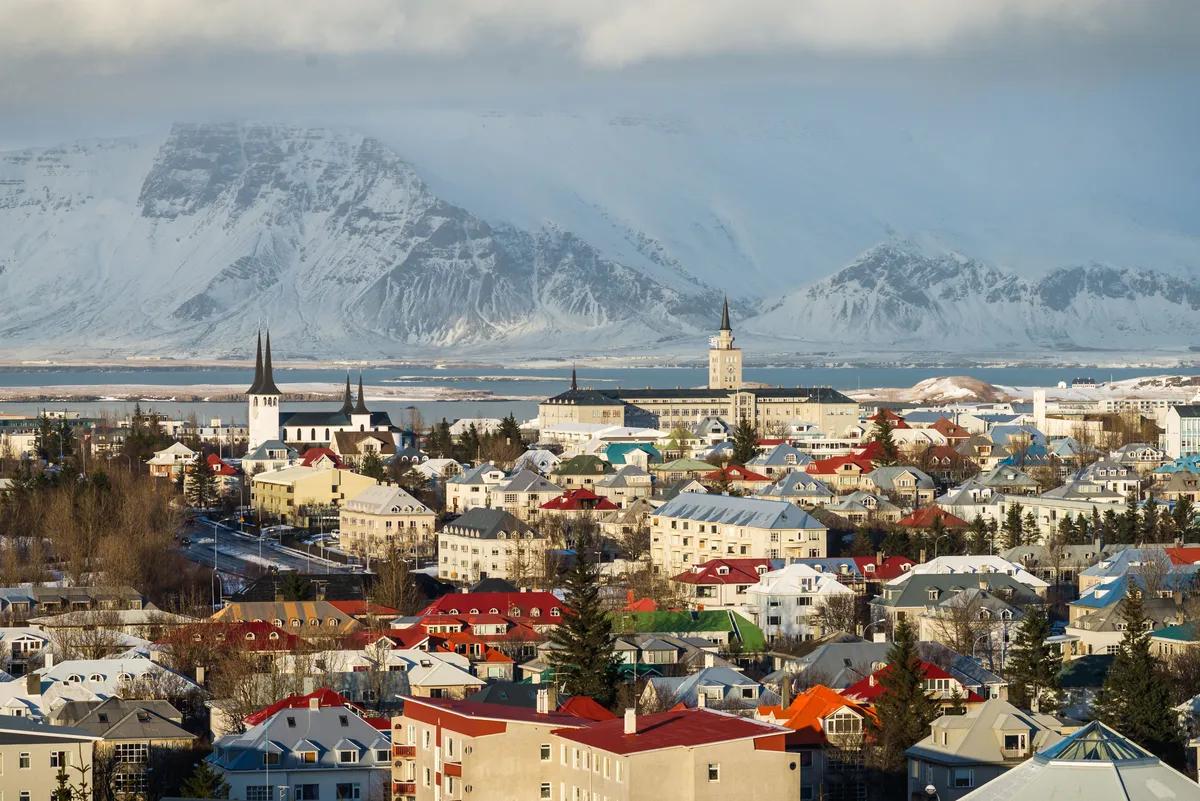
Reykjavik
 Iceland
Reykjavik, capital of Iceland, is a vibrant city, where modernity and traditions coexist. With its unique architecture, rich culture, spectacular landscapes and numerous attractions, it offers visitors a fascinating gateway to discover Iceland's natural and cultural wonders.
Discover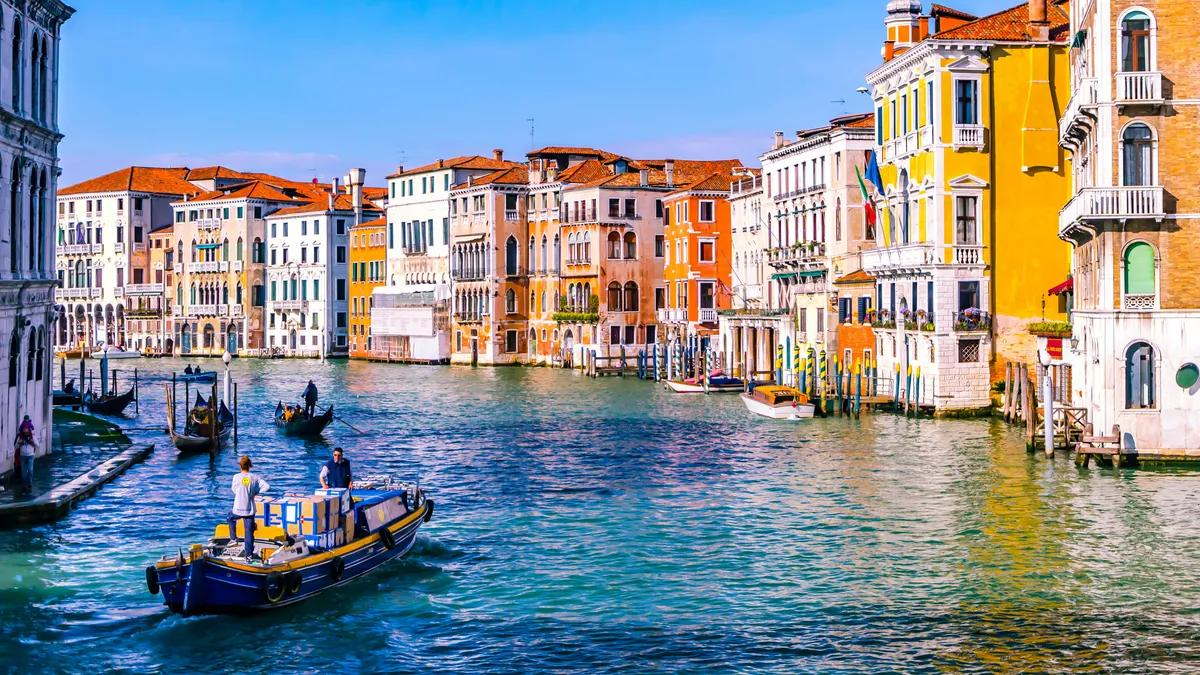
Venice
 Italy
Venice is a unique city, built on water with picturesque canals and a rich cultural history. Known for its remarkable architecture, museums, and lively festivals, Venice is a must-see destination for lovers of art, history, and gastronomy.
Discover