Mantua
 Italy
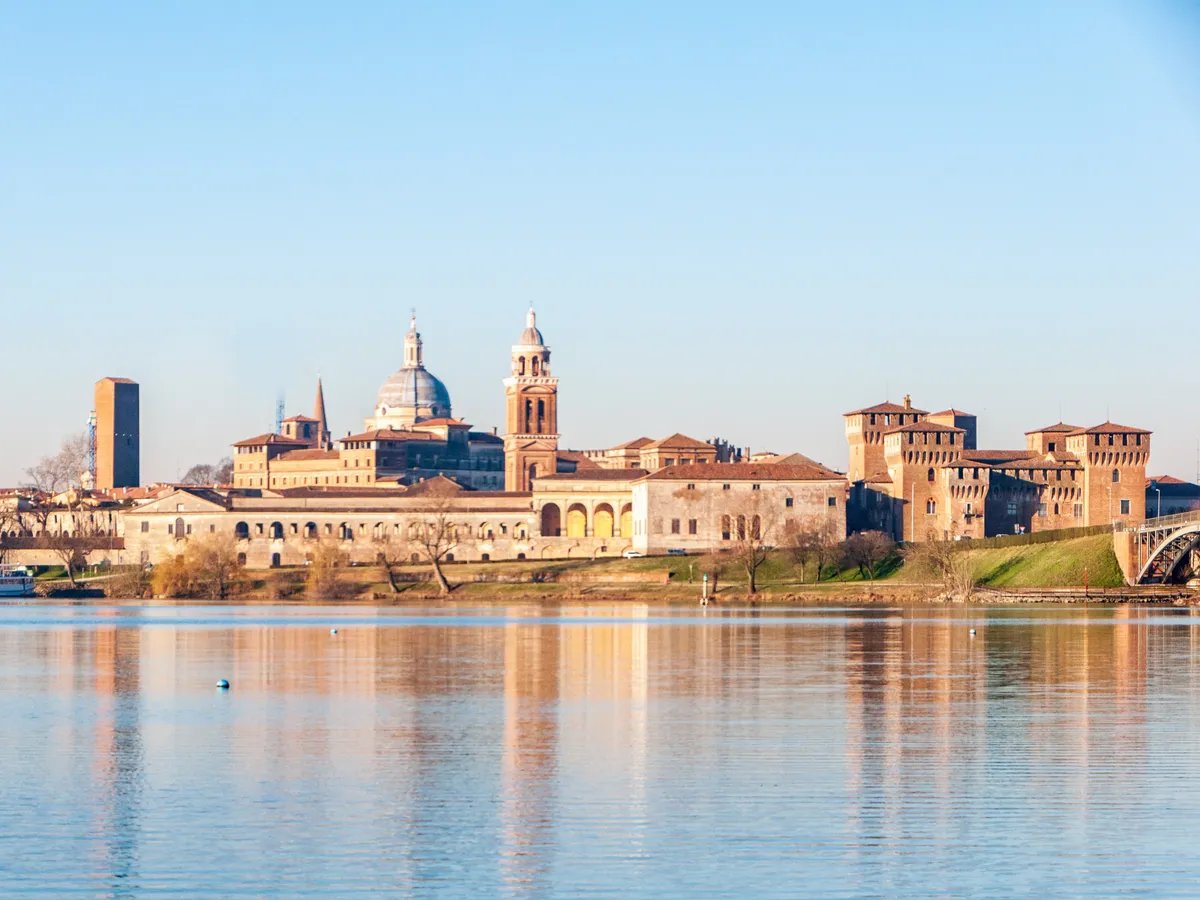
Mantua is a pearl of the Italian Renaissance, with an impressive architectural and artistic heritage. Known for its enchanting setting between lakes and palaces, as well as for its delicious gastronomy, it offers a journey into Italian history and culture.
Main Attractions
Ducal Palace (Palazzo Ducale)
A complex of buildings and courtyards, former seat of the Gonzaga family, with famous frescoes.
Basilica of Sant'Andrea
A magnificent Renaissance-style church, designed by architect Leon Battista Alberti, housing the relics of the Precious Blood.
Palazzo Te (Palazzo Te)
A Renaissance palace with spectacular frescoes, once used as a pleasure lodge by the Gonzaga family.
Historic center
The medieval streets, charming squares and numerous historic buildings form a harmonious whole.
Rotonda di San Lorenzo
The oldest church in Mantua, dating from the 11th century.
Culture and Gastronomy
Culture & Events
The city has a lively cultural scene, with annual events like the Literature Festival.
Culinary Highlights
Mantua is famous for its culinary specialties, such as tortelli di zucca (squash ravioli), risotto alla pilota and sbrisolona (an almond cake).
When to Visit Mantua? Climate & Monthly Weather
Continental climate, with hot summers and cold winters. Summer temperatures can reach 30°C, while in winter they often drop below 5°C, with some humidity due to the proximity of the lakes.
How to Get to Mantua & Location
- Airport : The closest airport is Verona (Verona-Villafranca Airport), located approximately 45 kilometers away.
- Trains : Mantua is well connected by regional trains to neighboring cities like Verona, Milan and Bologna.
- Public transport : Local bus network facilitating travel within the city and to surrounding communities.
History & Heritage of Mantua
Founded by the Etruscans, Mantua prospered in the Middle Ages and the Renaissance under the rule of the Gonzaga family. Its rich artistic and cultural past is still visible today in its many palaces and churches.
Frequently Asked Questions about Mantua
Is Mantua expensive to visit?
Mantua has a moderate cost of living by European standards (cost index 2/3), offering a great balance between comfortable stays, local gastronomy, and cultural visits without overspending.
How many days do you need in Mantua?
A 2-to-3-day stay (a long weekend) is the sweet spot to cover Mantua’s 5 key sights on foot and enjoy its local dining and atmosphere at a relaxed pace.
What kind of traveler is Mantua best suited for?
Mantua (Italy) is especially recommended for trips focused on Culture in a City setting. As an underrated hidden gem, it is perfect for travelers looking to escape mass tourism and enjoy an authentic local atmosphere.
What drives local life and the economy in Mantua?
Mantua has an economy mainly based on tourism, agriculture and industry. The city attracts visitors for its historical and architectural heritage, and its agricultural sector is recognized for its local food production.
Not sure if Mantua is your best match?
Compare 215 European destinations based on your desired weather, budget, vibe, and travel month in 2 minutes.
🗺️ Interactive Map
Plan this trip
You may also like
Other captivating destinations to explore
Rome
Italy
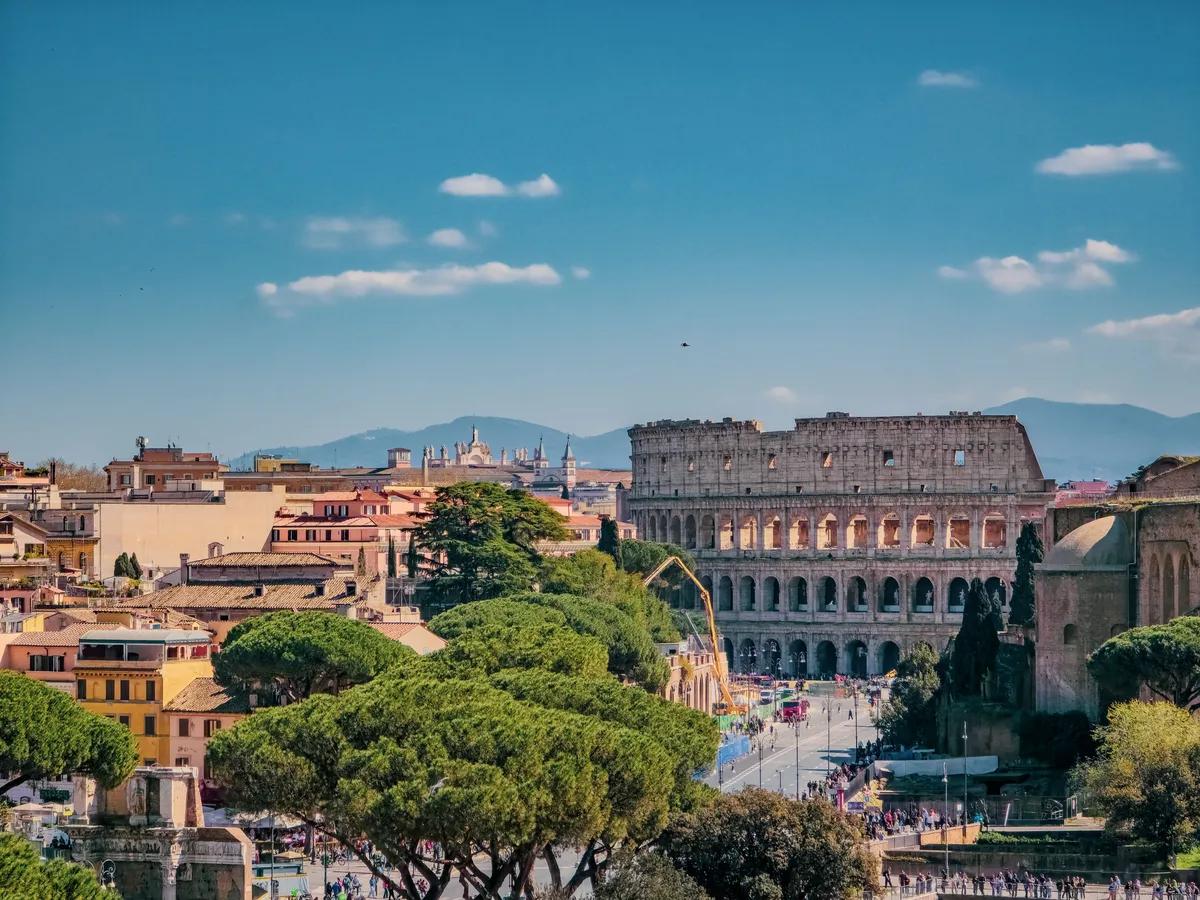
Rome, capital of Italy, is a fascinating city where ancient history, religious heritage, and modern culture come together. Famous for its historic monuments, exceptional cuisine, and unique atmosphere, Rome is a must-see destination for lovers of art, history, and gastronomy.
Discover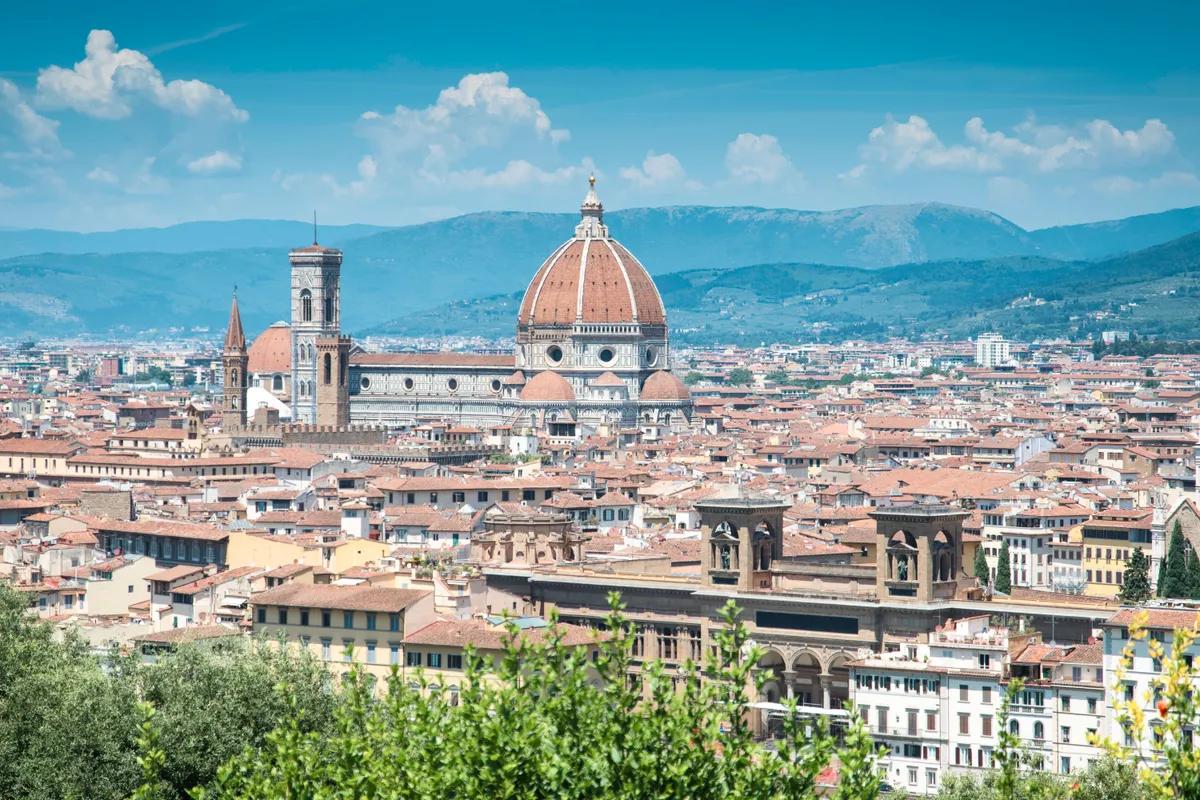
Florence
Italy
Florence is a city of exceptional beauty and cultural richness, often called the "cradle of the Renaissance". With its incomparable art, majestic architecture, and flavorful cuisine, Florence is a must-see destination for any traveler looking to discover the essence of Italy.
Discover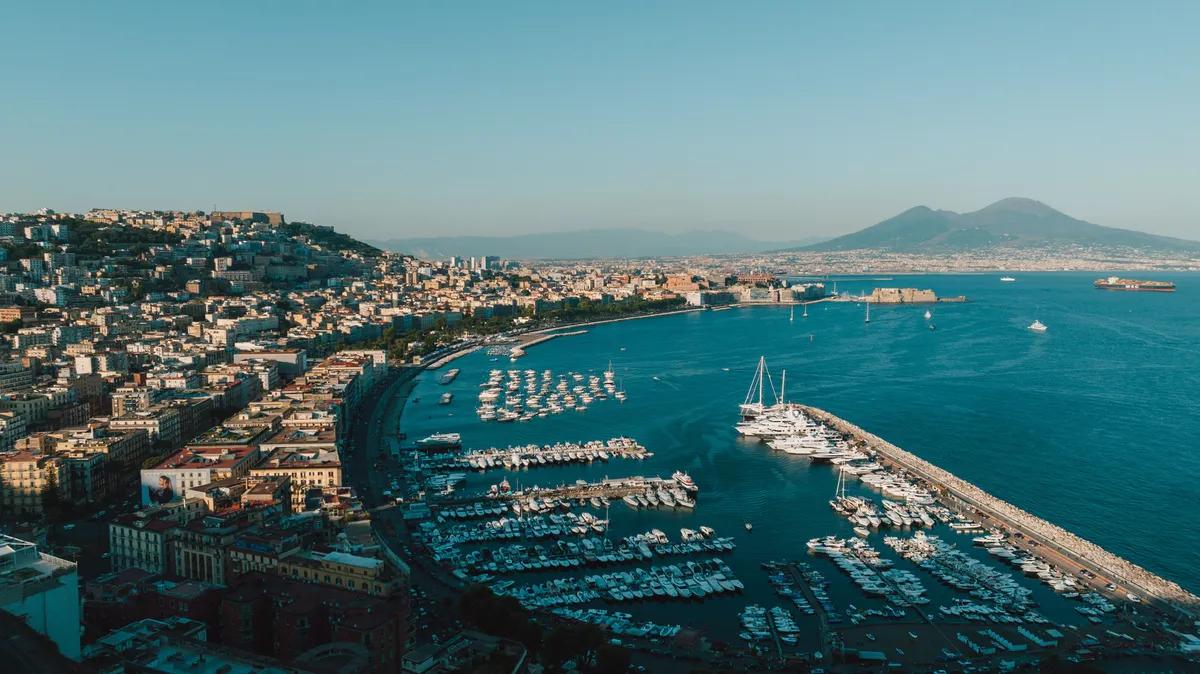
Naples
Italy
Naples, with its millennia-old history, iconic cuisine, and breathtaking landscapes, is a city that captures the essence of southern Italy. Lively, vibrant and sometimes chaotic, it offers unparalleled cultural wealth, impressive historical monuments and gastronomy not to be missed.
Discover