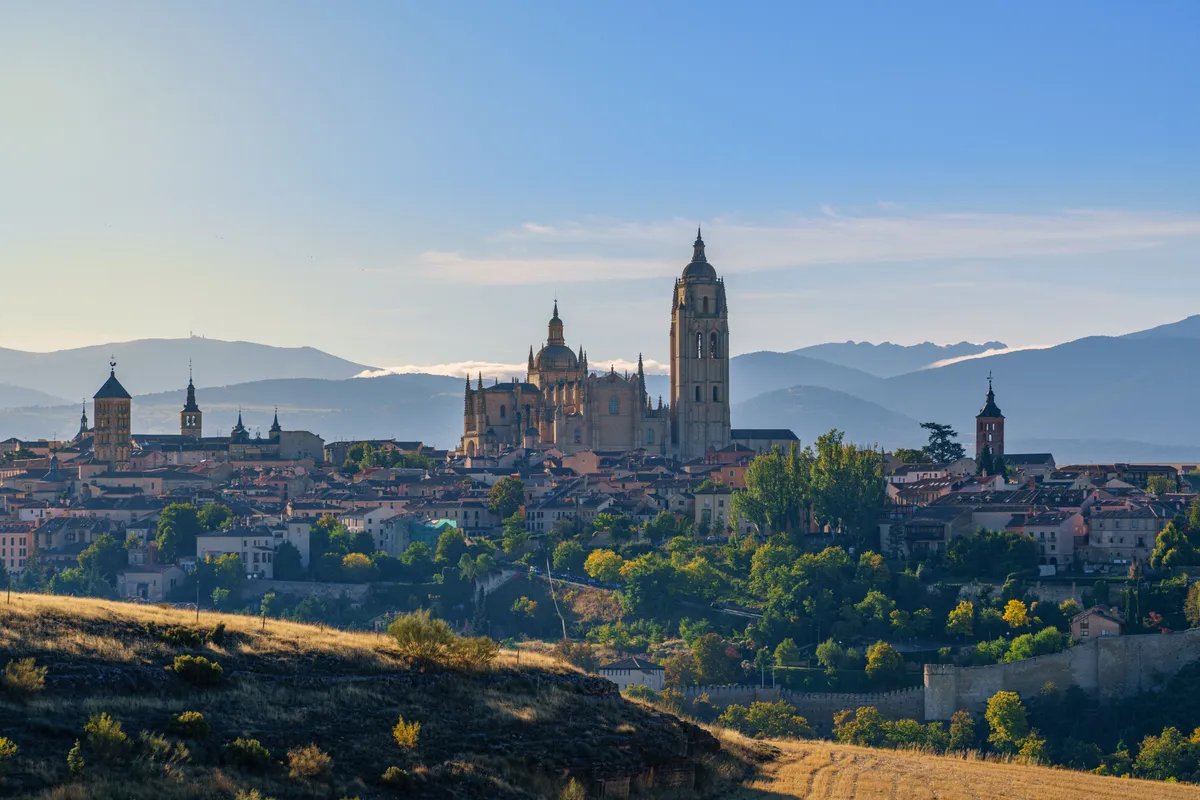
Santiago de Compostela
 Spain
Santiago de Compostela is a historic and spiritual city located in Galicia, northwest Spain. Known as the end point of the famous Camino de Santiago pilgrimage, the city is a captivating blend of religious heritage, medieval architecture, and vibrant culture. With its iconic cathedral, cobblestone streets, and rich culinary tradition, Santiago de Compostela offers a unique experience to visitors seeking spirituality, history, or simply beauty.
Main Attractions
Santiago de Compostela Cathedral
A masterpiece of Romanesque architecture, the cathedral is the culmination of the famous Camino de Santiago (Way of Saint James) pilgrimage. It houses the tomb of the apostle Saint James the Greater, making it one of the most important places of pilgrimage in Christianity.
Praza do Obradoiro
The city's central square, surrounded by historic buildings, including the City Hall, the College of San Jerónimo, and the Raxoi Palace.
Old Town
Listed as a UNESCO World Heritage Site, the Old Town is a maze of cobbled streets, charming squares, and stone buildings. It is full of shops, bars, and restaurants.
Monastery of San Martín Pinario
One of the largest monasteries in Spain, with imposing architecture and a rich Baroque interior.
Pilgrimage Museum
This museum explores the history of the pilgrimage to Santiago and its impact on the city and European culture.
Alameda Park
Popular green space offering beautiful views of the cathedral and a pleasant place to stroll and relax.
Culture and Gastronomy
Culture & Events
The town is full of tapas bars, traditional restaurants, and local markets. Santiago de Compostela is also an important cultural center, with numerous festivals, concerts, and exhibitions throughout the year. The Festival of the Apostle James in July is particularly famous.
Culinary Highlights
Galician gastronomy is rich and varied, highlighting seafood products such as pulpo a la gallega (Galician-style octopus), Galician empanadas, and tarta de Santiago (typical almond cake).
When to Visit Santiago de Compostela? Climate & Monthly Weather
Oceanic, with mild, humid winters and moderate summers. Summer temperatures vary between 20-27°C, while winter temperatures are around 5-15°C. Precipitation is frequent, especially in autumn and winter.
How to Get to Santiago de Compostela & Location
- Airport : Santiago de Compostela Airport (SCQ), located approximately 10 kilometers from the city center, offering flights to several domestic and international destinations.
- Train : The city is well connected by the Spanish rail network, with trains connecting Santiago to Madrid, A Coruña, Vigo, and other cities.
- Bus : Intercity bus services connect Santiago de Compostela with other Galician cities and destinations across Spain.
History & Heritage of Santiago de Compostela
The town owes its name and fame to the Christian pilgrimage to the tomb of Saint James, discovered in the 9th century. During the Middle Ages, Santiago de Compostela became one of the major religious centers of Christian Europe, attracting pilgrims from all over Europe on the Camino de Santiago. The city has managed to preserve its historical heritage while adapting to modern times, making it a lively and welcoming place for visitors from all over the world.
Frequently Asked Questions about Santiago de Compostela
Is Santiago de Compostela expensive to visit?
Santiago de Compostela has a moderate cost of living by European standards (cost index 2/3), offering a great balance between comfortable stays, local gastronomy, and cultural visits without overspending.
How many days do you need in Santiago de Compostela?
A 2-to-3-day stay (a long weekend) is the sweet spot to cover Santiago de Compostela’s 6 key sights on foot and enjoy its local dining and atmosphere at a relaxed pace.
What kind of traveler is Santiago de Compostela best suited for?
Santiago de Compostela (Spain) is especially recommended for trips focused on Culture in a City setting. It strikes a great balance between lively visitor appeal and genuine local life, without overwhelming crowds.
What drives local life and the economy in Santiago de Compostela?
The economy of Santiago de Compostela is mainly based on tourism, particularly pilgrimage, as well as education, with the University of Santiago, one of the oldest and most prestigious in Spain. The service sector, including hotels and restaurants, also plays a key role.
Not sure if Santiago de Compostela is your best match?
Compare 215 European destinations based on your desired weather, budget, vibe, and travel month in 2 minutes.
🗺️ Interactive Map
Plan this trip
You may also like
Other captivating destinations to explore
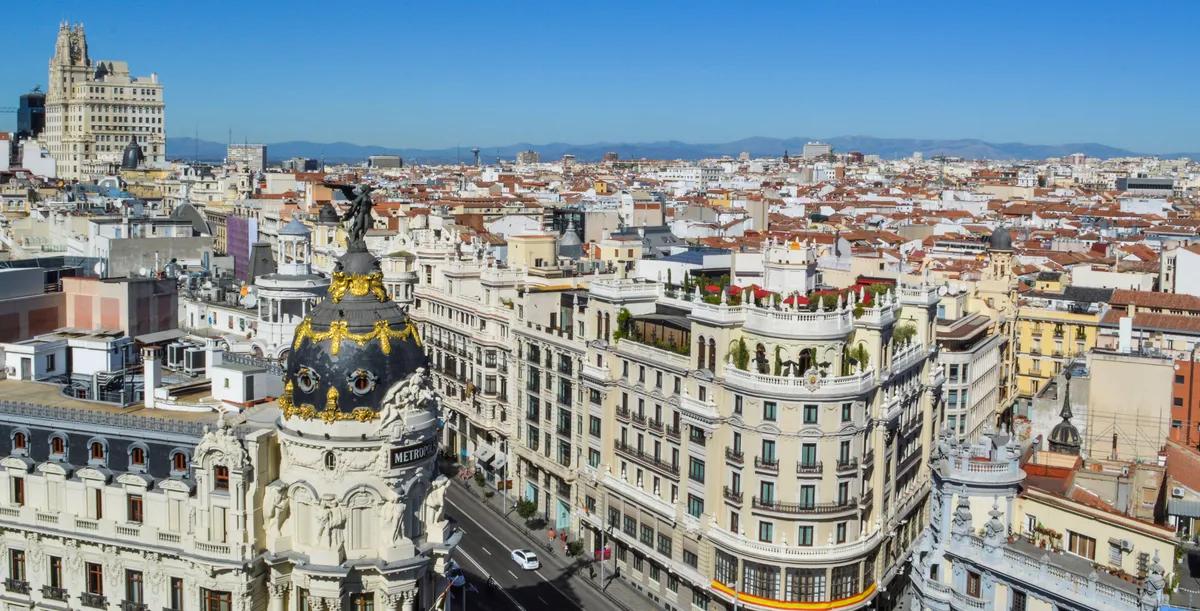
Madrid
Spain
Madrid is a vibrant and dynamic European capital, offering a rich cultural and historical heritage, iconic attractions like the Royal Palace and the Prado Museum, as well as a bustling gastronomic scene. With its wide boulevards, spacious parks, and cosmopolitan atmosphere, Madrid is an unmissable destination for lovers of history, art, and culture.
Discover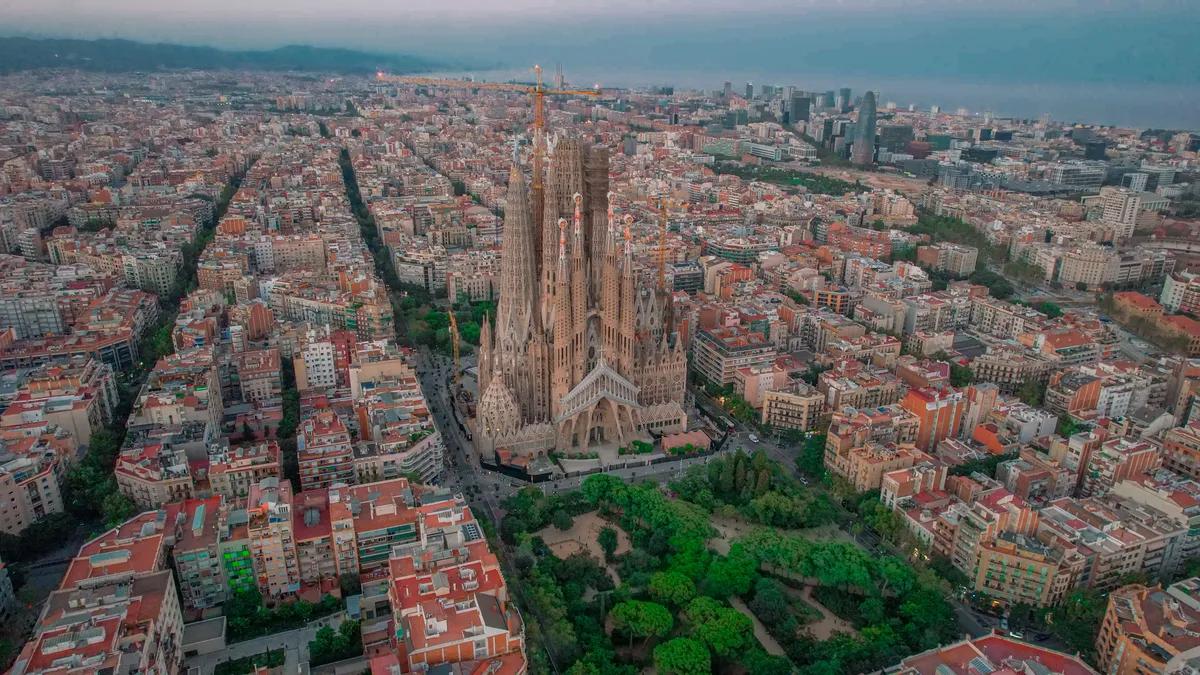
Barcelona
Spain
Barcelona is a vibrant Mediterranean metropolis, famous for its unique architecture, beaches, and vibrant culture. With major attractions like the Sagrada Família, Parc Güell, and La Rambla, as well as a rich and diverse gastronomic scene, Barcelona offers an exciting urban experience blending history, art, and modernity.
Discover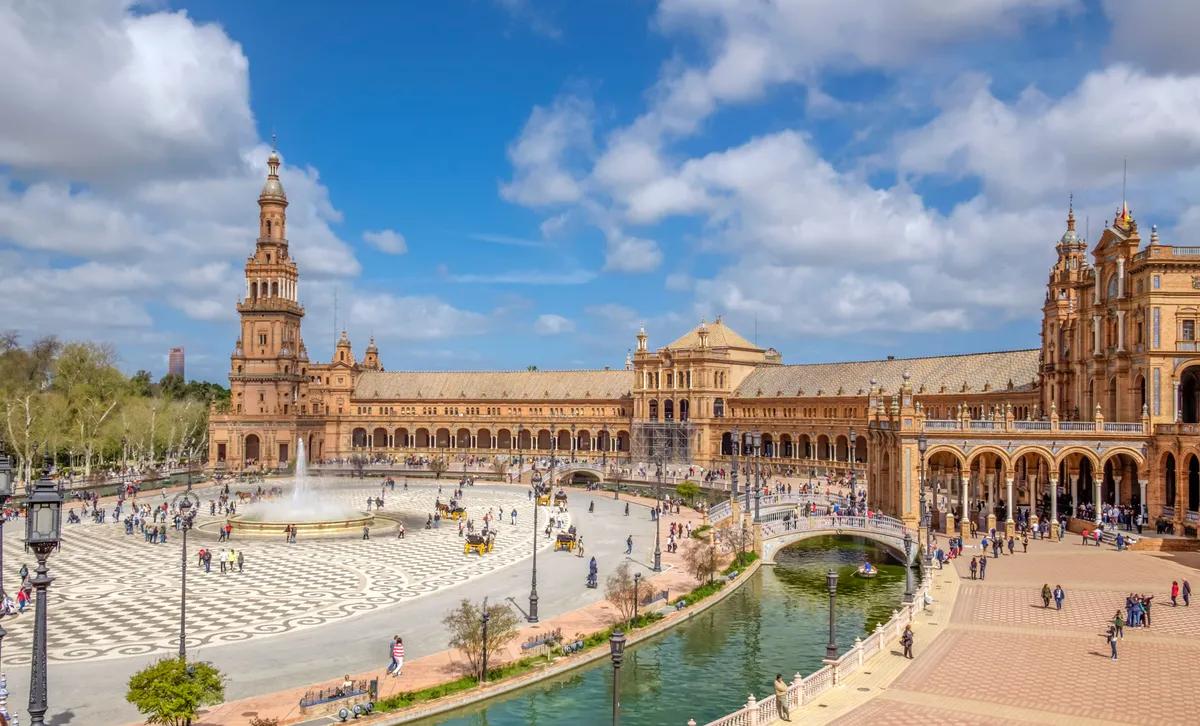
Seville
Spain
Seville is a vibrant Andalusian city, famous for its history, magnificent architecture, and vibrant culture. With major attractions like the Cathedral, the Alcazar, and the Plaza de España, as well as a vibrant food scene, Seville offers an immersive experience in Spanish and Andalusian heritage. The city is a captivating blend of historical traditions and vibrant modernity.
Discover