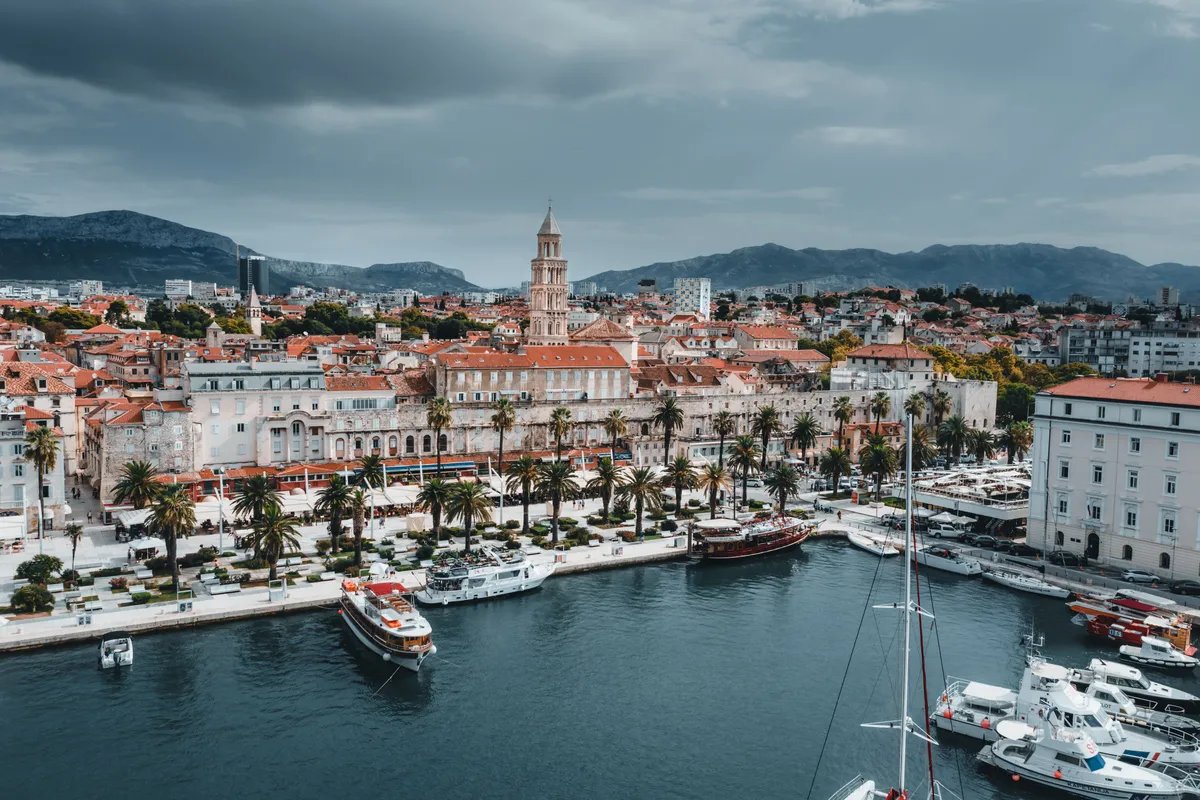
Split
 Croatia
Split is a fascinating Mediterranean city, combining impressive historical heritage and vibrant modern life. With its Diocletian's Palace, its beaches, and its seaside promenade, it offers a diverse experience for visitors interested in history, culture, and seaside leisure.
Main Attractions
Diocletian's Palace
A UNESCO World Heritage Site, an imposing Roman palace built in the 3rd century by the Emperor Diocletian. It forms the historic heart of Split and today houses shops, restaurants, and apartments.
Riva
Lively seaside promenade with cafes, restaurants, and picturesque views of the harbor and neighboring islands. It is a central place for the social life of the city.
Cathedral of Saint-Domnius
Former tomb of Diocletian transformed into a church in the 7th century, with a bell tower offering panoramic views of the city and surrounding areas.
Split Archaeological Museum
Museum displaying ancient artifacts from the region, including sculptures, inscriptions, and objects from the Roman and pre-Roman period.
Marjan Hill
Forested hillside offering hiking trails, panoramic views of the city and the Adriatic Sea, and outdoor recreation areas.
Mestrovic Gallery
Museum dedicated to the work of Croatian sculptor Ivan Meštrović, located in the sculptor's former residence.
Culture and Gastronomy
Culture & Events
Split offers a vibrant cultural life with festivals, musical events, and shows.
Culinary Highlights
Croatian gastronomy in Split includes Mediterranean specialties such as pasta a la mer (seafood), cevapi (small grilled sausages), and pasticciotti (pastries). The town offers a variety of restaurants, taverns, and seaside cafes.
When to Visit Split? Climate & Monthly Weather
Mediterranean, with hot, dry summers and mild, rainy winters. Summer temperatures vary between 25-35°C, while winter temperatures are generally around 10-15°C.
How to Get to Split & Location
- Airport : Split Airport (SPU), located approximately 25 kilometers from the city center, offering flights to various European and international destinations.
- Trains : Split has a well-connected railway station with other major Croatian cities, including Zagreb and Rijeka.
- Bus : The city is also well served by national and international bus services.
History & Heritage of Split
Split has an ancient history dating back to Roman times, and the city has played an important role in the region over the centuries. Diocletian's Palace is one of the best examples of Roman architecture still visible today. The city was also influenced by the medieval and Ottoman periods, and it became a major regional center during modern history.
Frequently Asked Questions about Split
Is Split expensive to visit?
Split has a moderate cost of living by European standards (cost index 2/3), offering a great balance between comfortable stays, local gastronomy, and cultural visits without overspending.
How many days do you need in Split?
Plan for 3 to 4 days to comfortably explore the 6 main highlights of Split, soak up the local pace, and enjoy the surrounding setting (Beach, City). A 2-to-3-day long weekend works well for a focused city break.
What kind of traveler is Split best suited for?
Split (Croatia) is especially recommended for trips focused on Relax, Culture, Party in a Beach, City setting. It strikes a great balance between lively visitor appeal and genuine local life, without overwhelming crowds.
What drives local life and the economy in Split?
Split is an important economic center, with key sectors including tourism, commerce, and services. The Port of Split is one of the largest passenger ports on the Adriatic, contributing significantly to the local economy.
Not sure if Split is your best match?
Compare 215 European destinations based on your desired weather, budget, vibe, and travel month in 2 minutes.
🗺️ Interactive Map
Plan this trip
You may also like
Other captivating destinations to explore
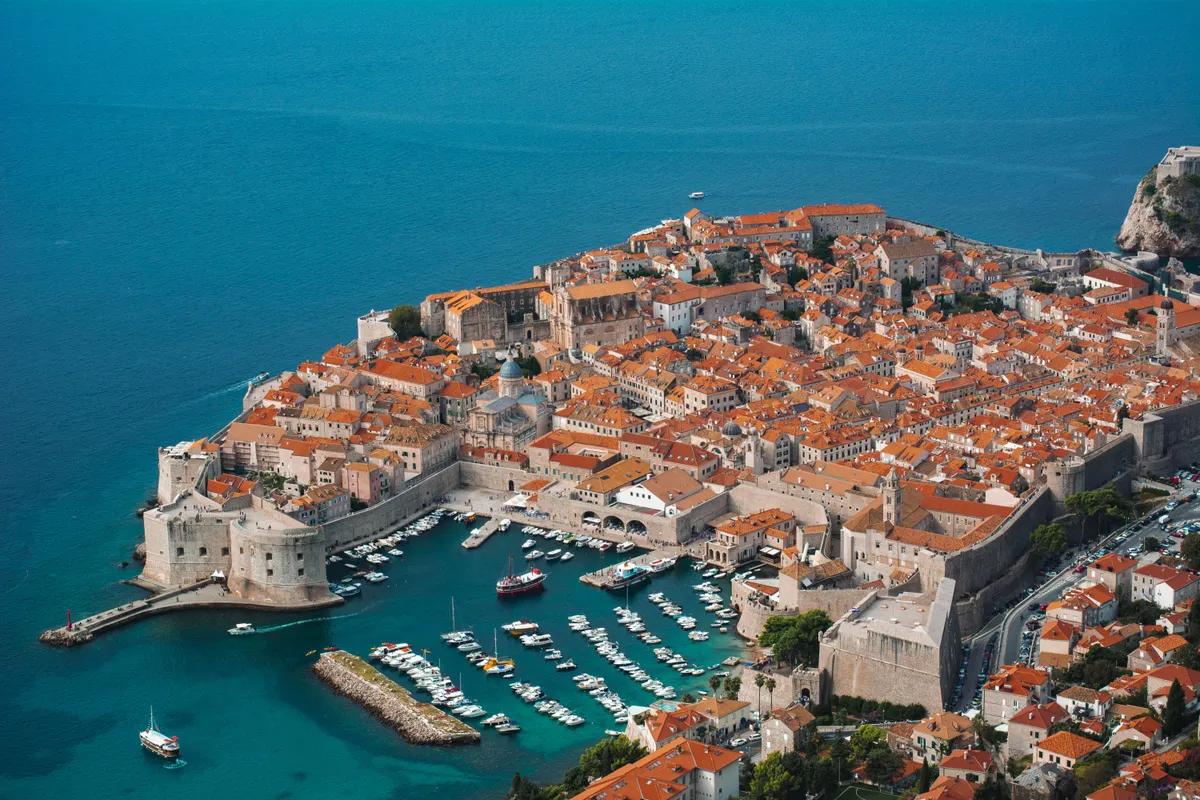
Dubrovnik
Croatia
Dubrovnik is an iconic Croatian destination, known for its exceptional architectural heritage, magnificent coastal landscapes, and vibrant cultural life. With its medieval walls, historic churches, and picturesque islands, it offers a unique experience of the Mediterranean and is a must-see for lovers of history, culture, and natural beauty.
Discover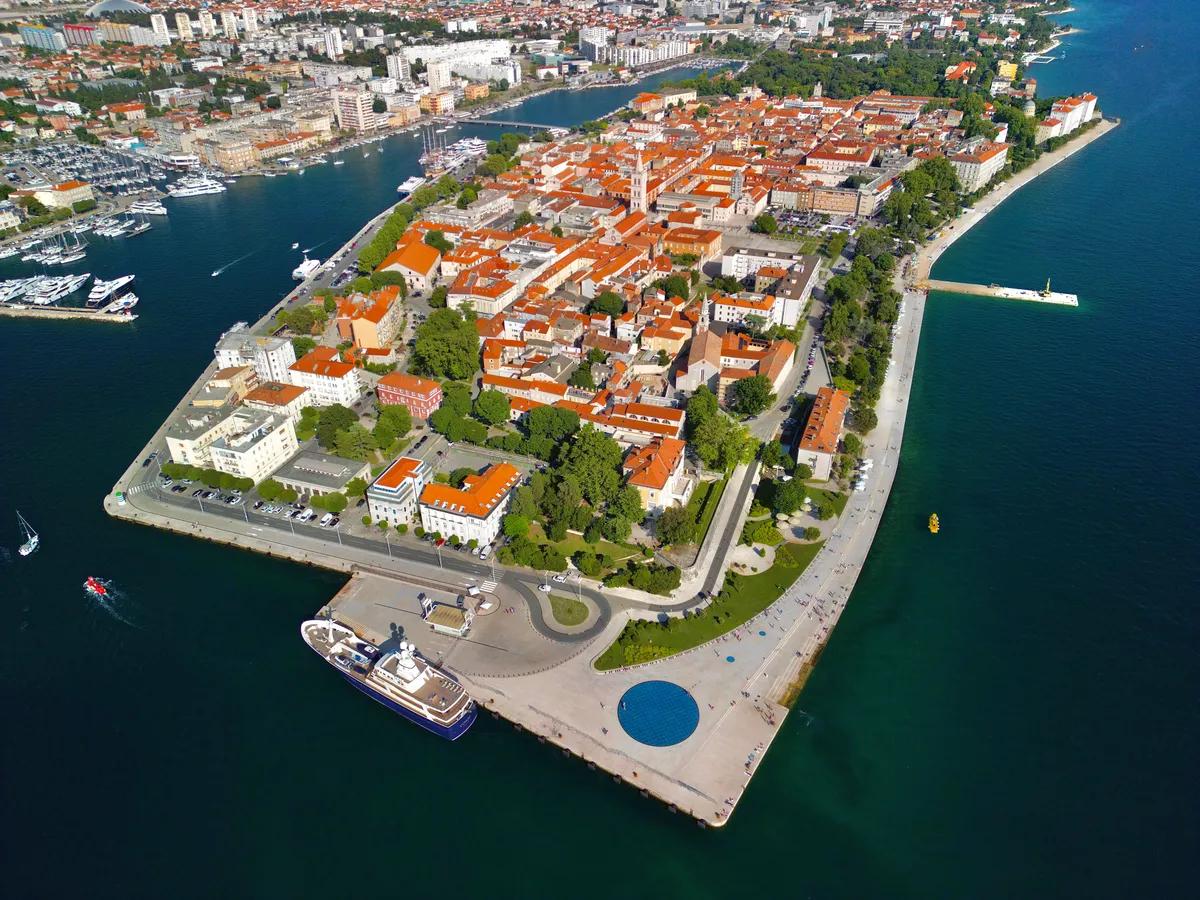
Zadar
Croatia
Zadar is a charming coastal town with a captivating mix of ancient history, medieval architecture, and unique modern facilities like the Sea Organ and Salute to the Sun. With its historic lanes, coastal attractions, and vibrant cultural life, it is an ideal destination for visitors interested in Croatia's culture, history, and natural beauty.
Discover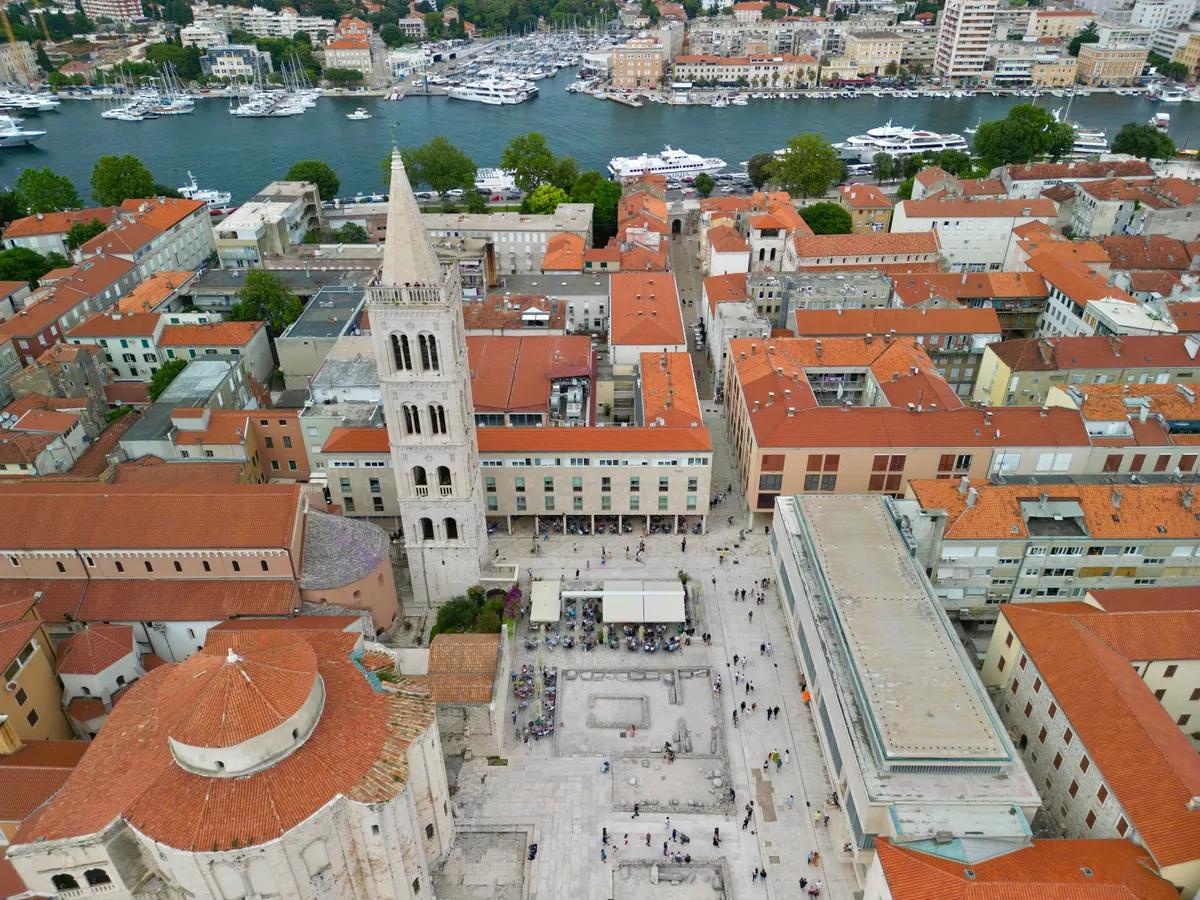
Trogir
Croatia
Trogir is a charming coastal town offering a rich historical heritage, well-preserved medieval architecture, and a beautiful maritime ambiance. With its cobbled streets, historic buildings, and seaside attractions, it is an ideal destination for those who want to explore Croatian history and culture while enjoying picturesque surroundings.
Discover