Tallinn
 Estonia
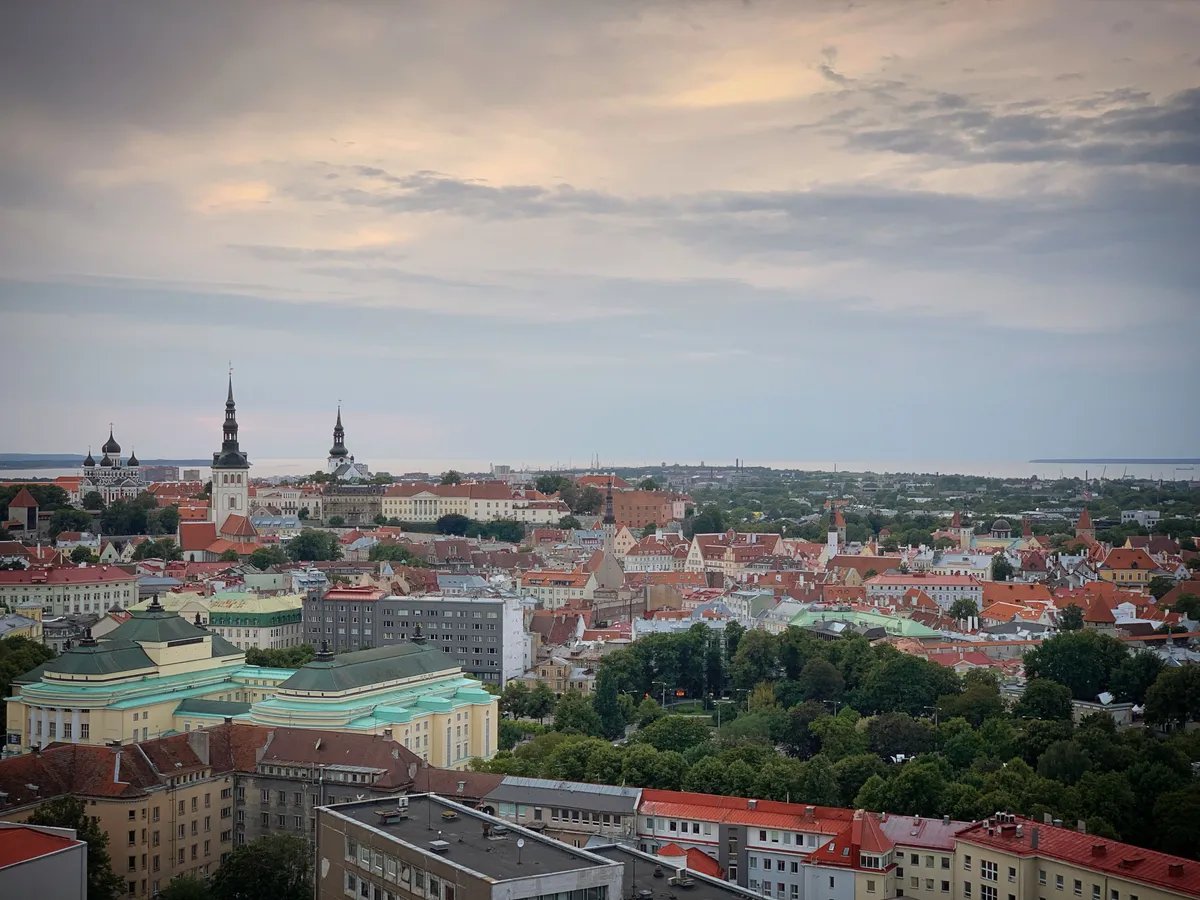
Tallinn, capital of Estonia, is a city where the medieval past and modernity meet harmoniously. Its old town, a UNESCO World Heritage Site, offers a unique insight into European medieval history, while its modern neighborhoods bear witness to its economic and technological dynamism. With its cultural festivals, fine cuisine, and picturesque cityscapes, Tallinn is a captivating destination for travelers seeking culture, history, and innovation.
Main Attractions
Old Town (Vanalinn)
Listed as a UNESCO World Heritage Site, Tallinn's medieval old town is one of the best preserved in Europe. With its cobbled streets, its ramparts, and its towers, it offers a journey back in time to the heart of the Middle Ages.
Alexander Nevsky Cathedral
An impressive Russian Orthodox cathedral, located on Toompea Hill, known for its onion domes and rich interior.
Toompea
A historic hill overlooking the city, home to Toompea Castle, the Estonian Parliament (Riigikogu), and spectacular panoramic views of Tallinn.
Raekoja Plats (Town Hall Square)
The nerve center of the Old Town, with Tallinn's Gothic Town Hall, Europe's oldest still in operation, and colorful buildings housing cafes and boutiques.
City Wall
The Tallinn Wall, which surrounds the Old Town, is one of the best preserved in Europe, with several publicly accessible towers offering views of the city.
Rotermann District
A former industrial district transformed into a trendy area with boutiques, restaurants, and art galleries, mixing modern and industrial architecture.
Kadriorg Palace and Park
A baroque palace built by Peter the Great of Russia, surrounded by magnificent gardens. The palace now houses the Kadriorg Museum of Foreign Art.
Culture and Gastronomy
Culture & Events
Traditional dishes include verivorst (black pudding), kama (a cereal mixture made from barley, rye and oat flour), and leib (Estonian black bread). Tallinn is also a vibrant cultural center, with numerous festivals throughout the year, including Tallinn Music Week, a contemporary music festival, and the Tallinn Festival of Lights. Museums, theaters, and art galleries abound, reflecting the city's rich history and contemporary creativity.
Culinary Highlights
Tallinn cuisine combines Estonian, Scandinavian and Russian influences. The city is full of modern restaurants and cafes offering varied cuisines, from local dishes to international flavors.
When to Visit Tallinn? Climate & Monthly Weather
Humid continental climate, with cold, snowy winters and mild to moderately hot summers. Summer temperatures vary between 15-25°C, while winters can drop well below freezing, with temperatures often around -5°C to -15°C.
How to Get to Tallinn & Location
- Airport : Tallinn Airport (TLL), also known as Lennart Meri Tallinn Airport, located approximately 4 kilometers from the city center. It offers flights to many European destinations and some destinations outside Europe.
- Ferry : Tallinn is well connected by ferry to other Baltic Sea cities, including Helsinki (Finland), Stockholm (Sweden), and Saint Petersburg (Russia).
- Train : Trains connect Tallinn to major Estonian cities as well as Moscow and St. Petersburg. The rail network is being modernized to improve international connections.
- Bus : International bus services connect Tallinn to other Baltic and European cities, with regular trips to Riga, Vilnius, and St. Petersburg.
History & Heritage of Tallinn
Founded at the beginning of the 13th century, Tallinn has a rich history marked by German, Danish, Swedish, and Russian influences. She was a key member of the Hanseatic League, a dominant trading network in Northern Europe during the Middle Ages. After centuries of foreign rule, Estonia declared its independence in 1918, although the country was later occupied by the Soviet Union until its independence was restored in 1991. Since then, Tallinn has become one of the most dynamic and prosperous capitals in Eastern Europe.
Frequently Asked Questions about Tallinn
Is Tallinn expensive to visit?
Tallinn has a moderate cost of living by European standards (cost index 2/3), offering a great balance between comfortable stays, local gastronomy, and cultural visits without overspending.
How many days do you need in Tallinn?
Plan for 3 to 4 days to comfortably explore the 7 main highlights of Tallinn, soak up the local pace, and enjoy the surrounding setting (City). A 2-to-3-day long weekend works well for a focused city break.
What kind of traveler is Tallinn best suited for?
Tallinn (Estonia) is especially recommended for trips focused on Culture in a City setting. As an iconic European destination, it suits travelers seeking world-class landmarks and a vibrant atmosphere.
What drives local life and the economy in Tallinn?
Tallinn is the economic and financial center of Estonia, with a diversified economy that includes information technology, banking, and tourism. The Port of Tallinn is an important maritime hub for trade and transport in the Baltic region. The city is also known for its entrepreneurial dynamism, with a growing startup ecosystem.
Not sure if Tallinn is your best match?
Compare 215 European destinations based on your desired weather, budget, vibe, and travel month in 2 minutes.
🗺️ Interactive Map
Plan this trip
You may also like
Other captivating destinations to explore
Tartu
Estonia
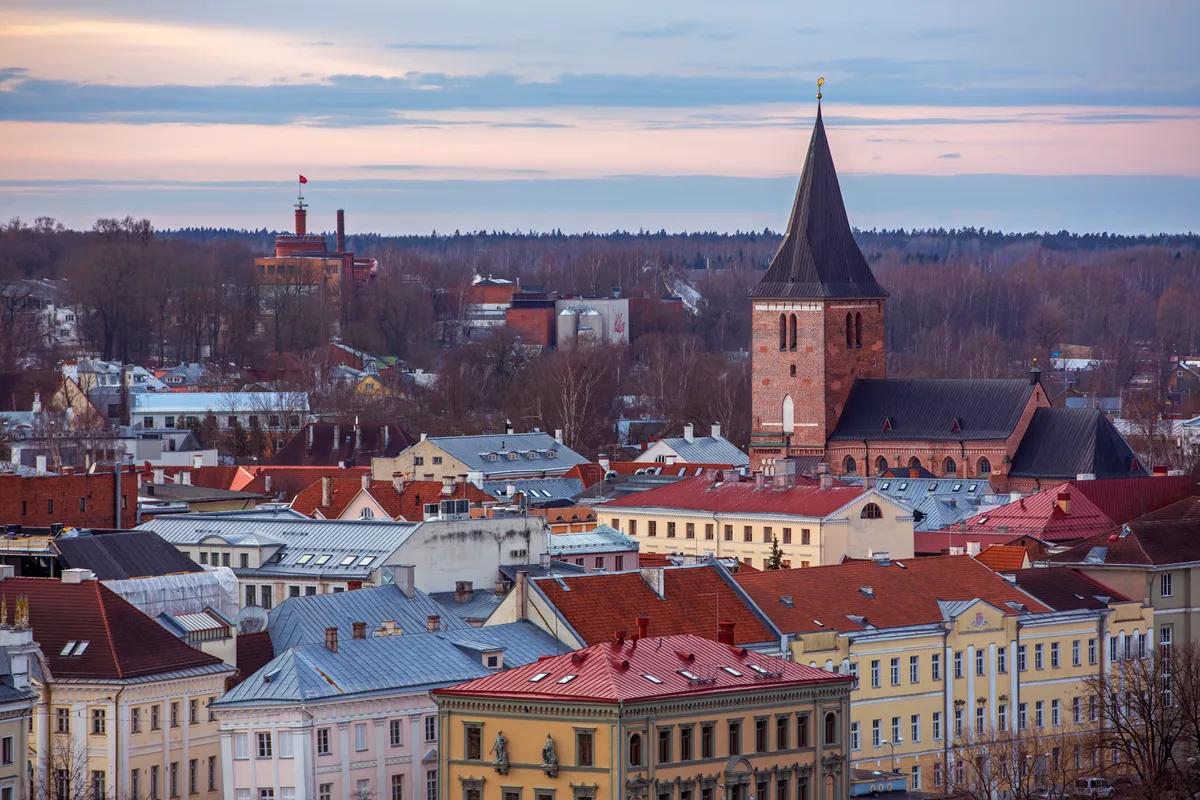
Tartu, often nicknamed the "city of good thoughts", is a cultural and educational center of Estonia. With its historic university, green parks, and young and dynamic atmosphere, Tartu offers a unique blend of tradition and innovation. Visitors are charmed by its picturesque old town, its numerous museums, and the friendliness of its inhabitants. Tartu is the ideal choice for those looking to explore the intellect and culture of Estonia in both a historical and modern setting.
Discover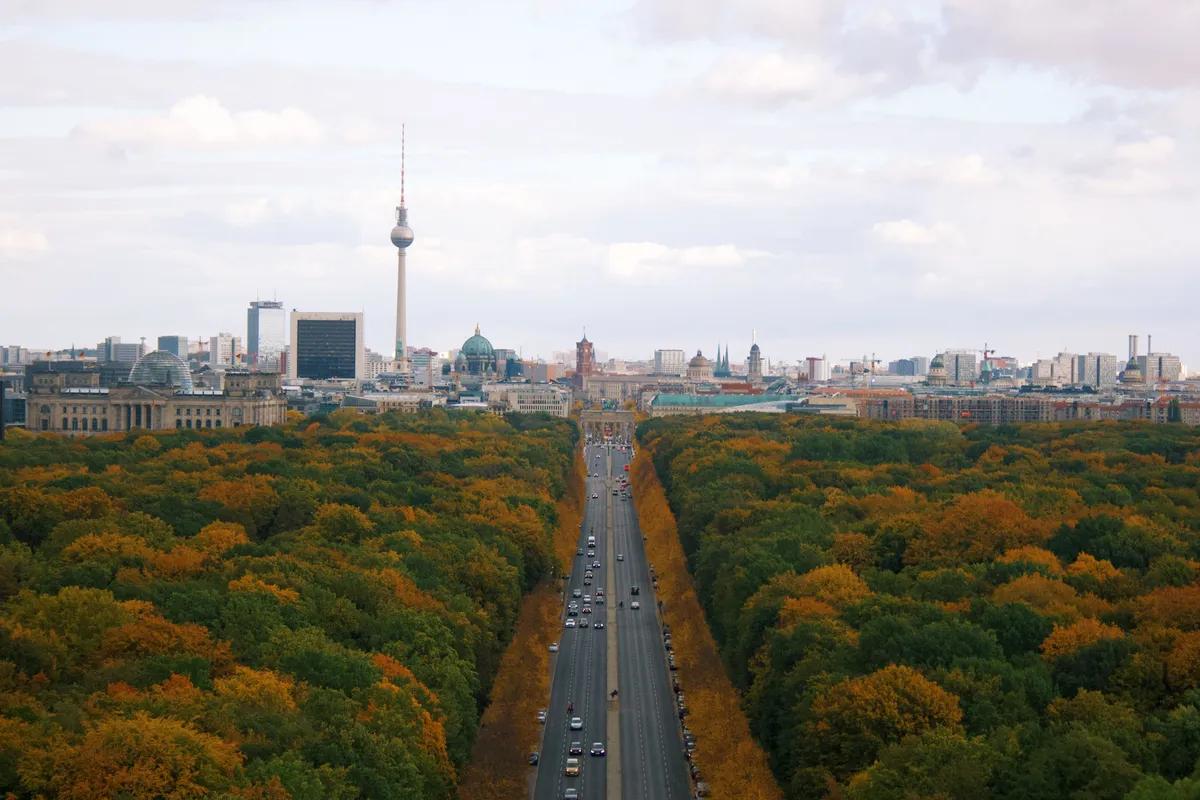
Berlin
 Germany
Berlin is a vibrant and cosmopolitan metropolis, combining deep history, avant-garde culture, and innovation. It is a city where past and present coexist, offering a unique experience to visitors.
Discover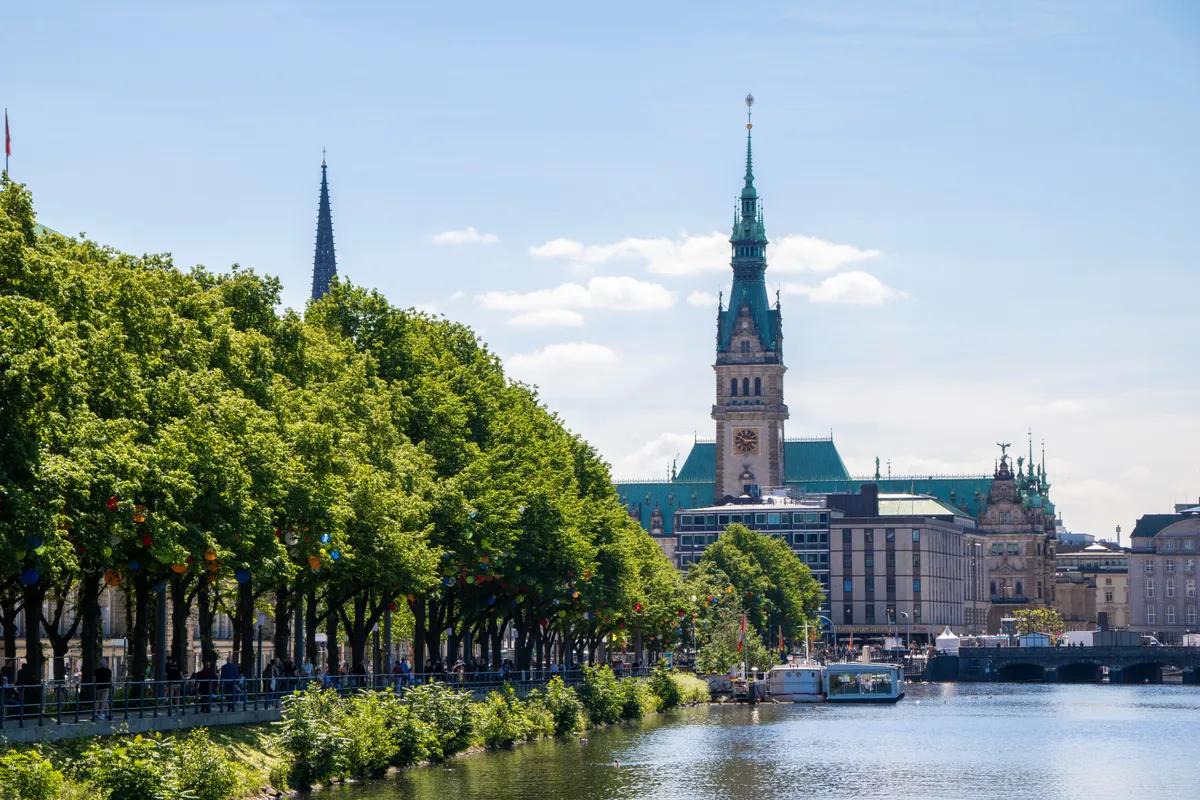
Hamburg
Germany
Hamburg is a dynamic and cosmopolitan city, famous for its historic port, its rich cultural life, and its maritime ambiance. It is a popular destination for its mix of history, modern architecture, and port activities.
Discover