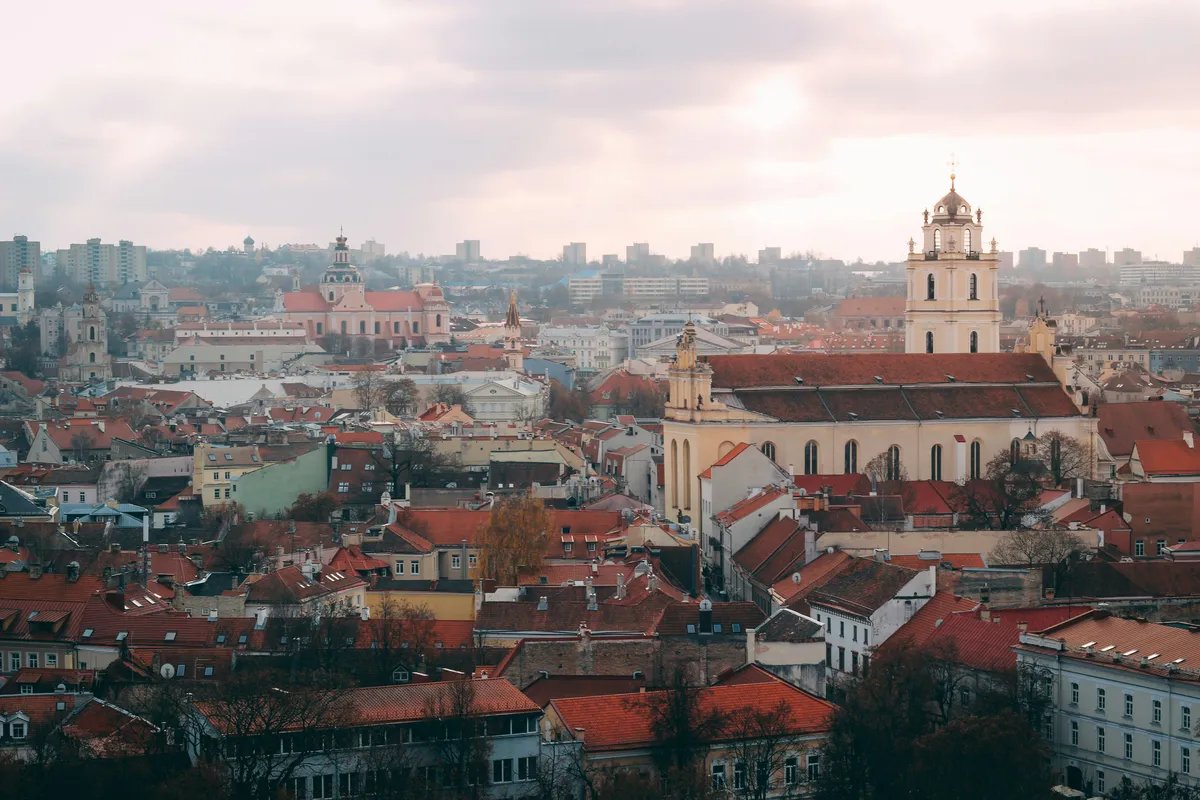
Vilnius
 Lithuania
Vilnius is a European capital with a rich historical and cultural heritage, offering a picturesque old town, historical monuments, and a vibrant cultural scene. With major attractions like the Old Town, the Palace of the Grand Dukes, and the Gediminas Tower, Vilnius combines medieval elegance and a vibrant modern atmosphere.
Main Attractions
Old Town
Historic district listed as a UNESCO World Heritage Site, known for its medieval streets, baroque buildings and impressive churches such as Vilnius Cathedral and St. Anne's Church.
Palace of the Grand Dukes of Lithuania
Former residence of the Grand Dukes, now a museum showcasing Lithuanian history and culture.
Vilnius University
Founded in 1579, it is one of the oldest universities in Eastern Europe, with a picturesque campus and historic buildings.
Gediminas Tower
Medieval tower offering a panoramic view of the city and surrounding areas.
National Museum of Lithuania
Museum presenting the history and heritage of Lithuania, with exhibitions on archaeology, history and culture.
Culture and Gastronomy
Culture & Events
Vilnius offers a dynamic cultural life with festivals, concerts, theaters and a vibrant arts scene.
Culinary Highlights
Lithuanian gastronomy includes dishes such as cepelinai (large potato dumplings), cold beetroot soup (šaltibarščiai), and rye bread. The city also offers a variety of restaurants offering international cuisines.
When to Visit Vilnius? Climate & Monthly Weather
Oceanic climate, with cold winters and moderately hot summers. Summer temperatures vary between 15-25°C, while winter temperatures can drop below -10°C. Precipitation is distributed throughout the year, with a tendency towards snowier winters.
How to Get to Vilnius & Location
- Airport : Vilnius International Airport (VNO), located approximately 6 kilometers from the city center, offering flights to many European and international destinations.
- Trains : The city is well served by the railway network, with connections to other major Lithuanian and Baltic cities.
- Public Transport : The public transport network includes buses, trolleybuses and trams, making it easy to get around the city.
History & Heritage of Vilnius
Vilnius was founded in the 13th century and became the capital of the Grand Duchy of Lithuania. The city has been influenced by various powers, including the Poles and Russians, and has experienced periods of prosperity and challenge. Today, it is a symbol of Lithuanian culture and independence.
Frequently Asked Questions about Vilnius
Is Vilnius expensive to visit?
Vilnius is a very wallet-friendly European destination (cost index 1/3). Accommodation, local dining, and public transit offer outstanding value for budget-conscious travelers.
How many days do you need in Vilnius?
A 2-to-3-day stay (a long weekend) is the sweet spot to cover Vilnius’s 5 key sights on foot and enjoy its local dining and atmosphere at a relaxed pace.
What kind of traveler is Vilnius best suited for?
Vilnius (Lithuania) is especially recommended for trips focused on Culture in a City setting. It strikes a great balance between lively visitor appeal and genuine local life, without overwhelming crowds.
What drives local life and the economy in Vilnius?
Vilnius is a major economic center in Lithuania, with key sectors such as services, trade, technology, and tourism. The city is an important hub for financial companies and innovative startups.
Not sure if Vilnius is your best match?
Compare 215 European destinations based on your desired weather, budget, vibe, and travel month in 2 minutes.
🗺️ Interactive Map
Plan this trip
You may also like
Other captivating destinations to explore
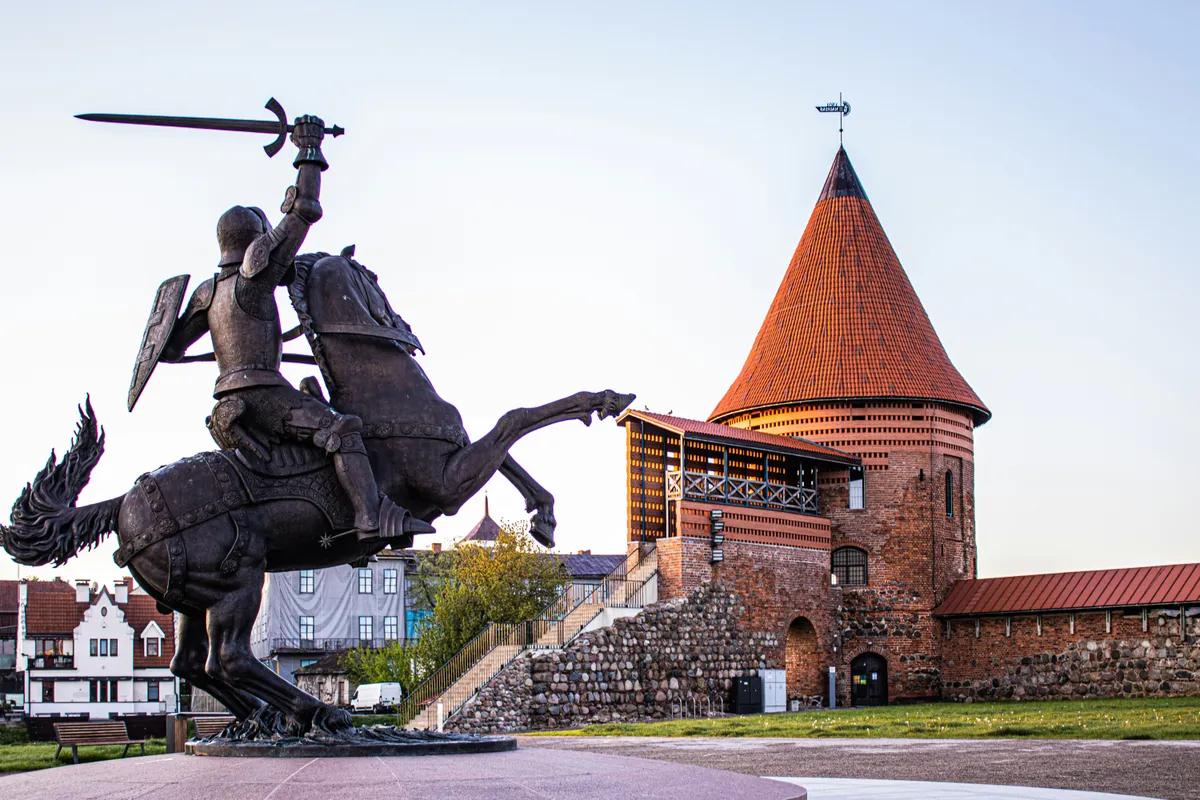
Kaunas
Lithuania
Kaunas is a vibrant Lithuanian city with a rich history and vibrant cultural scene. With its main attractions such as Kaunas Castle, the Old Town, and Freedom Avenue, as well as its modern atmosphere and economic opportunities, Kaunas offers an enriching urban experience combining historical heritage and contemporary innovation.
Discover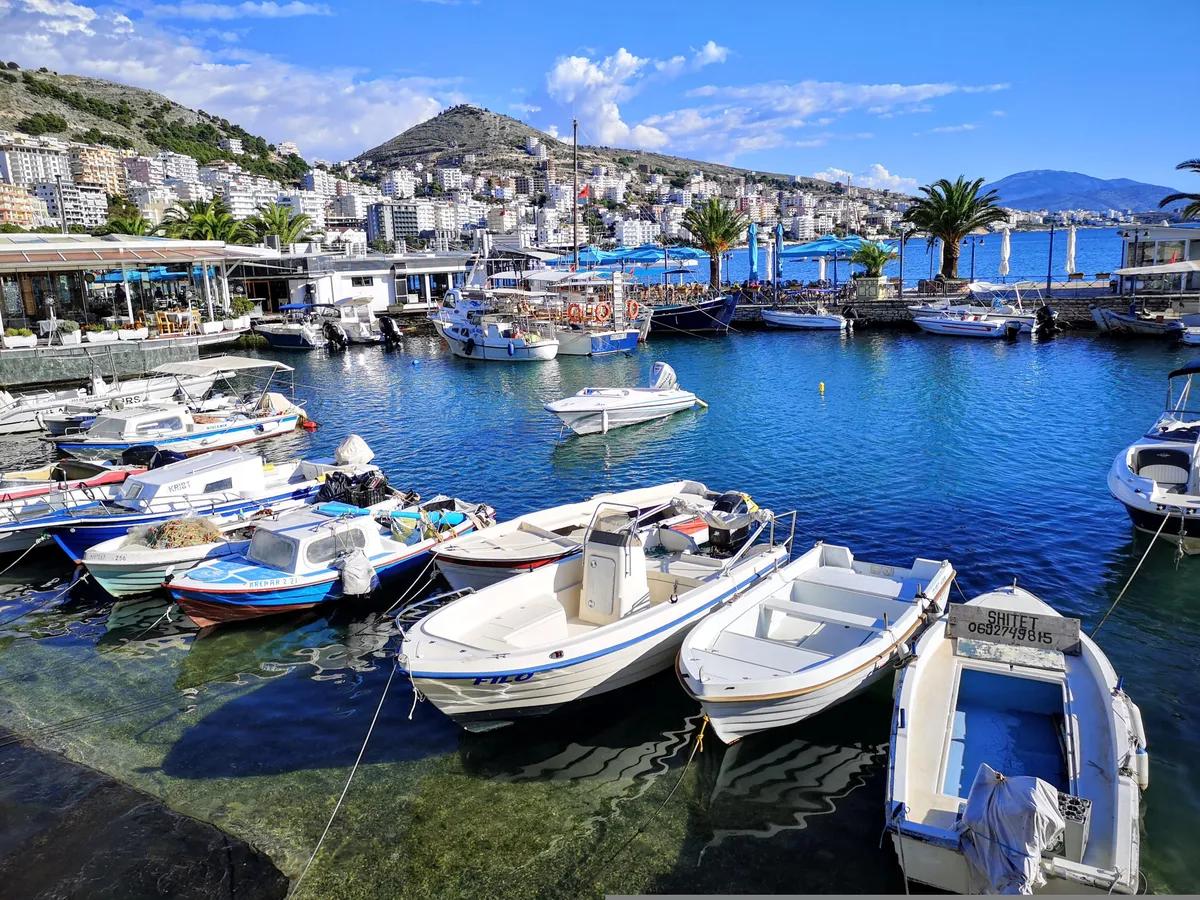
Saranda
 Albania
Saranda is a vibrant and sunny city, combining magnificent beaches, historical sites, and a rich Mediterranean culture, making it a destination of choice for travelers seeking relaxation and adventure.
Discover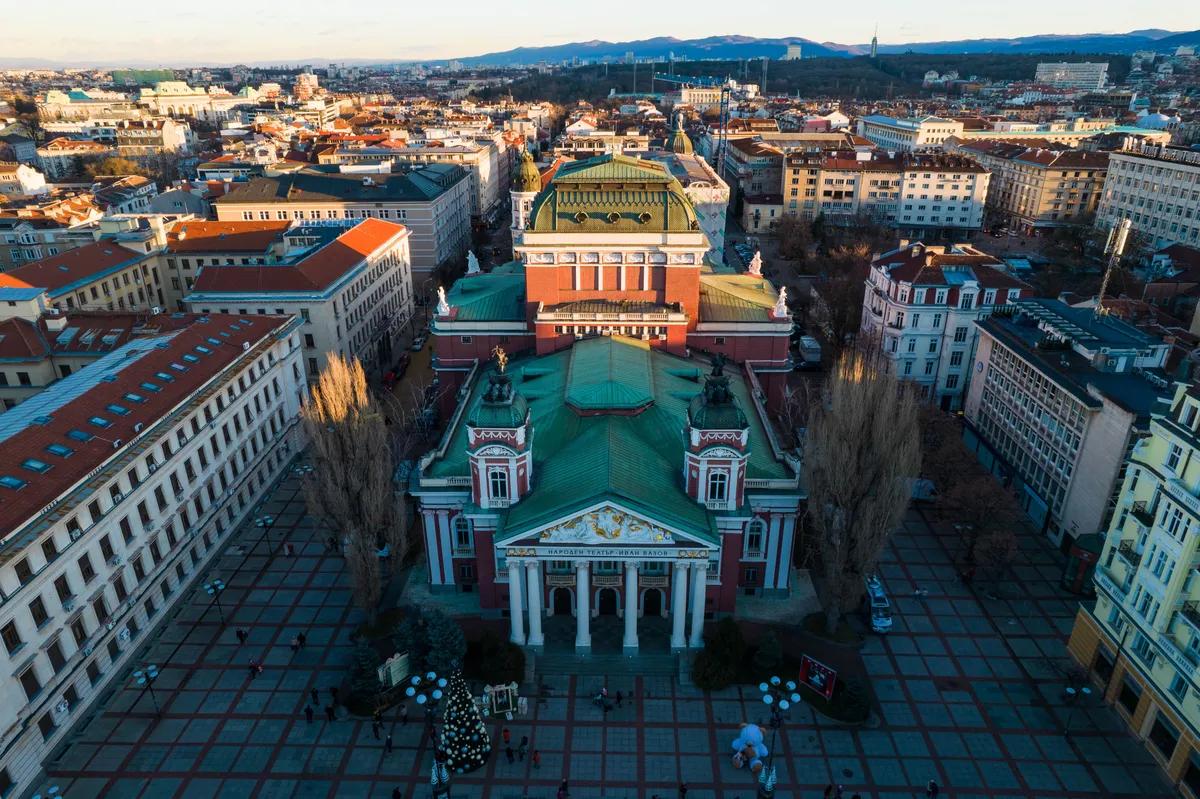
Sofia
 Bulgaria
Sofia is a dynamic and historic city, combining a rich cultural heritage with modern urban life. With its iconic attractions, green spaces, and varied gastronomy, it offers a fascinating experience for visitors interested in history, culture, and nature.
Discover